
Start with 420 pixels
This guide covers ten distinct trippy weed art trends shaping packaging and apparel design in 2026. We selected each trend based on visual distinctiveness, market relevance, and adaptability for t-shirt prints and product labeling. The goal is to help you choose designs that stand out on crowded shelves and social feeds without sacrificing print quality.
The "420 pixels" reference points to a specific visual benchmark: a clean, square format often used for social media thumbnails and product previews. Starting with this resolution ensures your art scales correctly across platforms. We prioritized trends that translate well from digital mockups to physical products, focusing on clarity and impact rather than fleeting aesthetic fads.
Each trend includes practical examples and technical considerations. We avoided generic advice, focusing instead on concrete styles you can apply immediately. Whether you are designing for a new brand or refreshing an existing line, these ten trends offer a clear path to modern, eye-catching weed art.
10 Trippy Weed Art Trends for 2026: How to Style Your Weed T-Shirt Designs and Packaging
1. Liquid Neon Outlines
High-contrast neon outlines against dark backgrounds create immediate visual pop on social media feeds. This style works best with vector graphics to ensure crisp edges at any scale. Use electric blues, hot pinks, and lime greens to mimic the glow of neon signs. This trend is particularly effective for packaging labels where shelf visibility is critical.
2. Retro 70s Psychedelia
Vintage-inspired patterns featuring swirling fonts and warm earth tones evoke nostalgia while remaining trendy. Incorporate mandala-like structures and floral motifs typical of the late 1960s and early 1970s. This aesthetic pairs well with organic cotton t-shirts, reinforcing the natural origins of the product. Ensure typography remains legible despite the busy background.
3. Minimalist Line Art
Simple, continuous line drawings of cannabis leaves offer a sophisticated, modern look. This style appeals to consumers seeking subtlety over bold statements. It works exceptionally well for high-end packaging where white space is used strategically. Limit the color palette to black or a single accent color to maintain elegance.
4. Surreal Landscape Integration
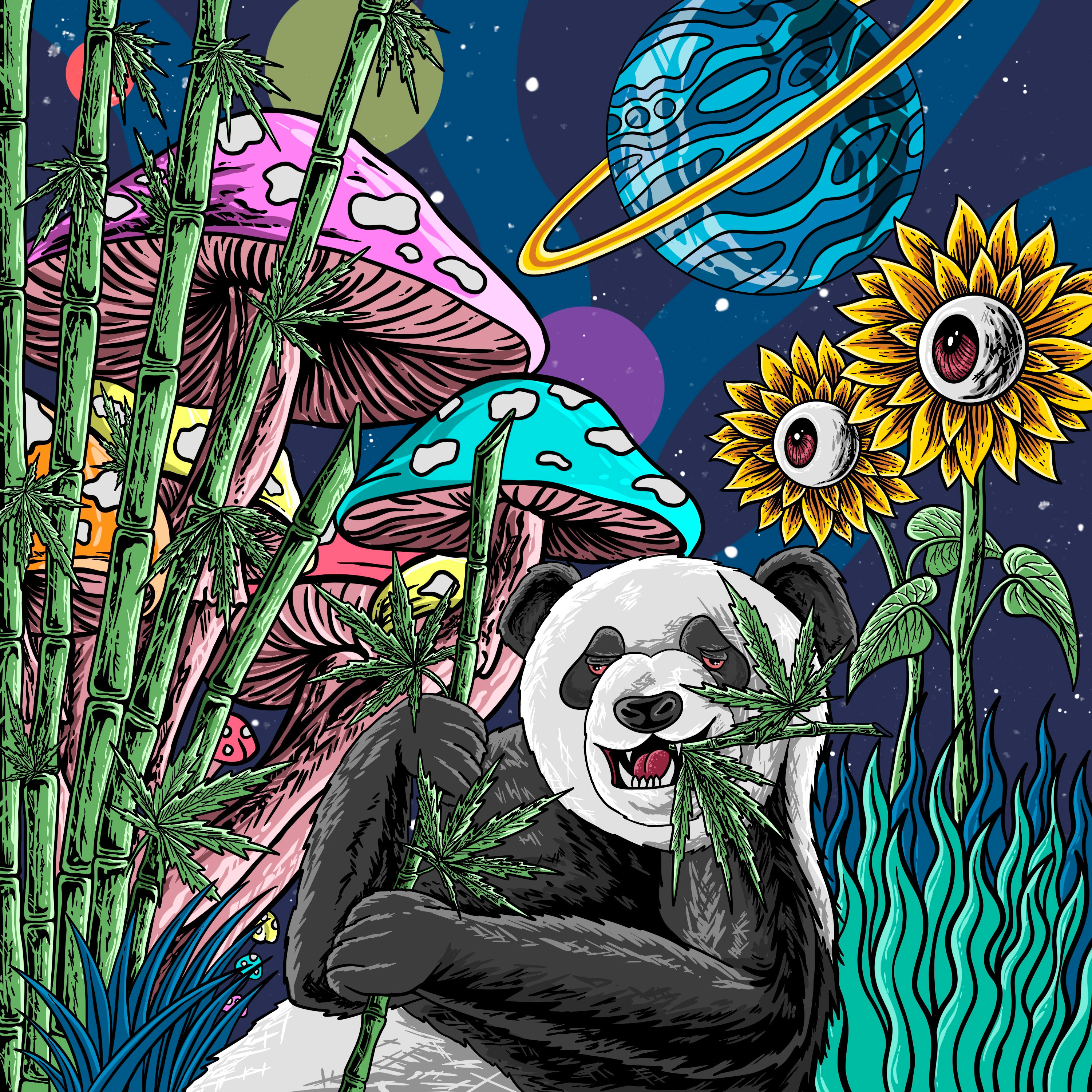
Merge cannabis imagery with dreamlike landscapes, such as floating islands or cosmic skies. This trend creates a narrative element that engages viewers longer. Use soft gradients and pastel colors to enhance the surreal atmosphere. This approach is ideal for limited-edition apparel that tells a story.
5. Geometric Abstraction
Break down the cannabis leaf into geometric shapes like triangles, hexagons, and circles. This modernist approach appeals to contemporary design sensibilities. It allows for easy pattern creation for all-over prints on t-shirts. Use bold, contrasting colors to define the geometric segments clearly.
6. Vintage Botanical Illustration
Classic scientific illustrations of cannabis plants in muted greens and browns convey authenticity and heritage. This style builds trust by referencing historical botanical art. It works well for premium packaging that emphasizes quality and tradition. Add subtle textures to mimic aged paper for an authentic feel.
7. Glitch Art Effects
Apply digital distortion and glitch effects to traditional weed imagery for a cyberpunk aesthetic. This trend targets a younger, tech-savvy audience. Use RGB splitting and pixel sorting techniques to create the effect. Ensure the core image remains recognizable despite the distortion.
8. Watercolor Washes
Soft, bleeding watercolor effects create a gentle, artistic vibe. This style is perfect for lifestyle-oriented brands that want to appear approachable and creative. Use light, translucent layers to build depth without overwhelming the design. Pair with simple typography to balance the organic feel.
9. Bold Typography Focus
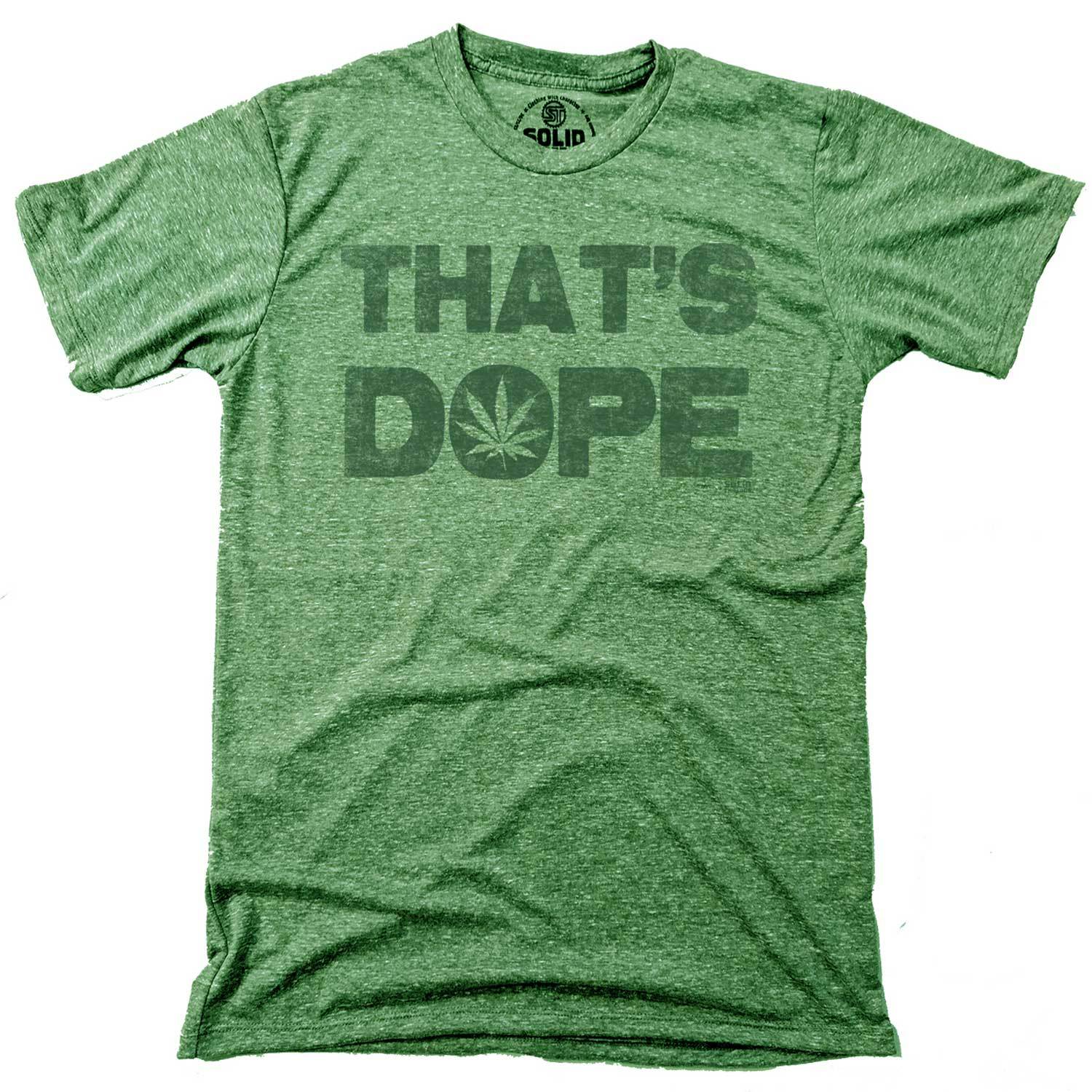
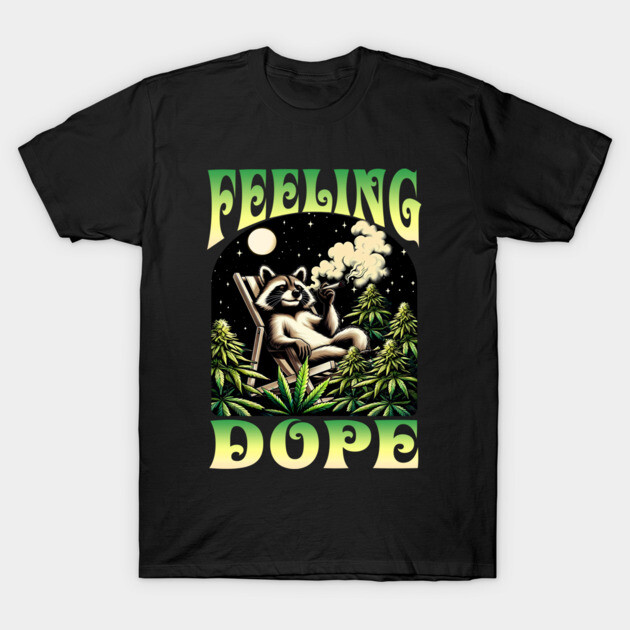
Make the word "weed" or related slang the central visual element using exaggerated, distorted fonts. This trend relies on the power of language and shape rather than complex imagery. Use heavy, blocky letters with interesting cuts or overlaps. This is highly effective for streetwear-inspired t-shirt designs.
10. Cosmic and Space Themes
Combine cannabis motifs with stars, planets, and nebulae to create a celestial vibe. This trend suggests expansion and exploration, aligning with the effects of the product. Use deep blues and purples with bright white highlights for contrast. This style works well for night-themed apparel and packaging.
Pick the right fit
Top 10 Trippy Weed Art Trends for works best as a clear sequence: define the constraint, compare the realistic options, test the tradeoff, and choose the path with the fewest hidden costs. That order keeps the advice usable instead of decorative.
No comments yet. Be the first to share your thoughts!