
Why 420 pixels matters for weed packaging
The 420-pixel dimension is a specific technical constraint that bridges digital previews and physical cannabis packaging. While it may seem arbitrary, this width often serves as the standard thumbnail size for dispensary apps, social media promotional posts, and digital menu boards. Using the correct pixel count ensures your brand assets load quickly and display sharply across these platforms without being cropped or pixelated.
When designing for cannabis branding, consistency is critical. A label that looks crisp on a high-resolution monitor might appear blurry if it is scaled down to 420 pixels for a mobile app preview. By starting your design process with this dimension in mind, you avoid the common pitfall of creating assets that are too large for digital distribution or too small for print clarity.
This dimension also aligns with common aspect ratios used in e-commerce platforms where cannabis products are listed. Whether you are preparing assets for a digital catalog or a social media campaign, adhering to the 420-pixel width helps maintain a professional appearance. It signals attention to detail, which is essential for building trust with consumers who expect high-quality branding from regulated cannabis brands.
Choose the Right Resizing Tool
Selecting the correct software depends on how many images you need to process and whether you require manual color correction. For a single cannabis logo or label, an online converter is the fastest route. For a full product line, desktop software offers the precision and batch capabilities needed for consistent branding.
Online Tools: Speed and Convenience
Web-based resizers are ideal for quick tasks. You upload your file, enter 420 pixels (or your target dimension), and download the result. These tools are accessible from any browser without installation.
Services like CompressKaru and Watermarkly specialize in specific pixel dimensions, making them useful for standard packaging sizes. Fotor offers more robust editing features if you need to tweak contrast or brightness before resizing. However, these tools often limit batch processing or add watermarks unless you pay for a subscription.
Desktop Software: Precision and Control
Professional design software like Adobe Photoshop, Affinity Photo, or GIMP provides the highest quality output. These programs use advanced interpolation algorithms that preserve detail when scaling images up or down to 420 pixels. They also allow you to manage color profiles (CMYK vs. RGB) critical for printing cannabis packaging.
The main drawback is the learning curve. You must manually set dimensions and export settings for each file. However, you can create actions or scripts to automate this process, making it efficient for large volumes.
Comparison: Online vs. Desktop
Use the table below to decide which workflow fits your current project scale.
| Feature | Online Tool | Desktop Software |
|---|---|---|
| Setup | None (browser-based) | Install required |
| Batch Processing | Limited or paid | Full automation |
| Quality Control | Basic | Advanced (profiles, layers) |
| Privacy | Upload to server | Local processing |
| Best For | Single logos, quick tests | Full packaging lines |
Resize your image to exactly 420 pixels
Most cannabis packaging platforms and printing vendors require assets to fit specific pixel dimensions. Hitting the 420-pixel mark exactly ensures your logo or label renders without unwanted cropping or blurring. This process uses a straightforward online resizer to adjust the width while keeping the aspect ratio intact.
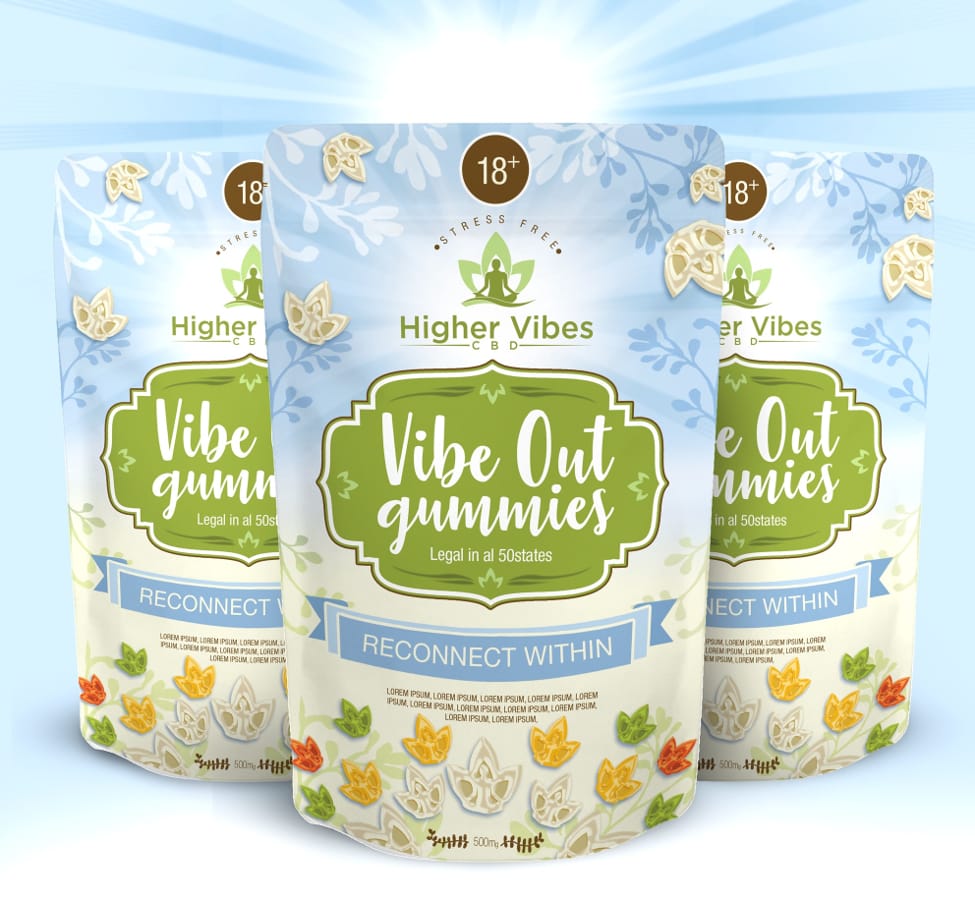
Start by selecting your source image from your computer. High-resolution files are best for starting the process, as downscaling preserves more detail than upscaling. Choose a standard format like JPG or PNG to ensure compatibility with most resizers.

Locate the width input field in the tool. Enter 420 exactly. If the tool offers a DPI setting, you can typically leave it at the default (usually 72 or 96 for digital use). The height will adjust automatically to maintain the original proportions of your image.
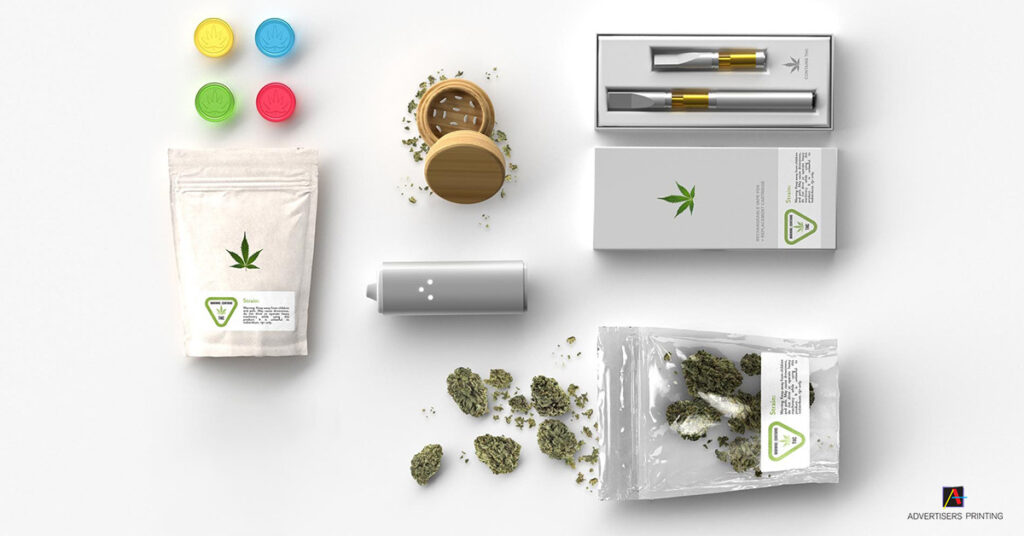
Ensure the "Lock Aspect Ratio" or "Constrain Proportions" checkbox is selected. This prevents the image from stretching or squashing. If you manually change the height after setting the width to 420, the width will shift, breaking the exact dimension requirement.

Click the resize or download button. Once saved, open the new file in your operating system’s photo viewer or properties panel to confirm the width is exactly 420 pixels. This final check prevents printing errors or upload rejections.
By following these four steps, you create a clean, correctly sized asset ready for your cannabis brand materials. Consistent pixel dimensions across all packaging elements create a professional, unified look that stands out on the shelf.
Preserving Quality in Trippy Weed Art
Resizing complex cannabis artwork to exactly 420 pixels requires balancing detail with file constraints. Unlike simple icons, detailed weed logos often contain intricate line work, gradients, or fine textures that blur easily when compressed. The goal is to maintain visual clarity so your brand looks professional on small packaging labels or social media thumbnails.
The most critical factor is your starting file. If you have a vector source file (SVG or AI), you can scale down to 420 pixels without any quality loss, as vectors use mathematical paths rather than fixed pixels. If you are working with a raster image like a JPG or PNG, the interpolation method matters significantly. Always choose "Bicubic Sharper" (Photoshop) or "Lanczos" (GIMP/Online tools) when downsizing to keep edges crisp.
Callout: Tip: For complex weed logo designs, start with a vector file (SVG/AI) if possible. If using raster images, use 'bicubic sharper' interpolation when downsizing.
File format choice also impacts final clarity. PNG-8 or PNG-24 is generally preferred for artwork with solid colors and sharp lines, as it supports lossless compression. JPG should only be used if the artwork has photographic gradients, but keep the quality setting above 80% to avoid compression artifacts. Always preview your 420px version at actual size on a screen before finalizing.
Final Checklist for Cannabis Branding
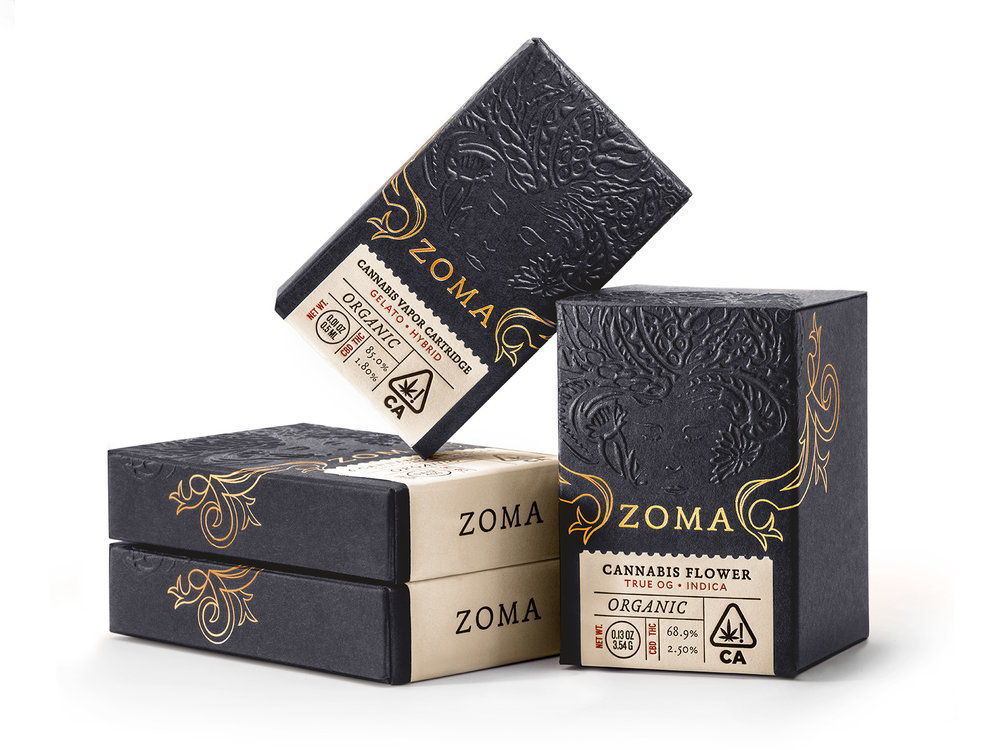
Before you publish your resized assets, run through this quick verification to ensure your cannabis packaging images are compliant and ready for production. Getting the 420-pixel dimension right is only half the battle; the rest is about consistency and technical precision.
- Dimensions verified: Confirm the image is exactly 420 pixels wide. Use a browser extension or online tool to double-check if you are unsure.
- Aspect ratio maintained: Ensure the height scales proportionally. A distorted logo looks unprofessional and can confuse customers.
- File format correct: Save as PNG for graphics with transparency or text, and JPEG for photographs. Avoid WebP unless your platform explicitly supports it.
- Color space checked: Verify that the colors match your brand guidelines. RGB is standard for digital use, but convert to CMYK if sending to a physical printer.
- File size optimized: Keep the file under 1MB for fast loading on digital storefronts, but high enough quality to remain crisp on packaging mockups.
- File name standardized: Use lowercase, hyphen-separated names like
brand-logo-420px.pngfor better organization and SEO hygiene.
-
Verify 420px width
-
Maintain aspect ratio
-
Check color space
-
Optimize file size
-
Standardize file names
Common Questions About Image Resizing
Getting the dimensions right is only half the battle. Packaging files also need to balance file size and format compatibility to ensure smooth printing and digital display. Here are answers to the most frequent technical questions.
No comments yet. Be the first to share your thoughts!