

Get 420 pixels right
Before you start designing your weed packaging or trippy weed art, you need to establish a stable digital foundation. The "420" reference usually points to the 420 × 525 pixel standard used for many cannabis social media posts and preview thumbnails. If your source assets are low-resolution or incorrectly proportioned, the final design will look pixelated or stretched, no matter how good the artwork is.
Start by checking your original image dimensions. If you are working with a standard JPG or PNG, use an online photo resizer to set the width to 420 pixels and the height to 525 pixels. This maintains the 4:5 aspect ratio that performs well on platforms like Instagram. Do not manually stretch the image in your design software; let the resizer handle the interpolation to keep edges sharp.
If your file size is too large for quick uploads, compress the image to a manageable KB size without sacrificing visible quality. Tools like CompressKar or similar web-based converters can reduce file weight while keeping the 420px width intact. Once your base image is resized and compressed, you can safely layer your custom weed packaging graphics or artistic elements on top.
Resize weed art for custom packaging
Creating trippy weed art and custom weed packaging requires precise digital assets. A mismatched resolution can blur intricate details or cause printing errors. This section walks through the exact steps to resize your cannabis brand visuals to the standard 420x525 pixel format used by many digital dispensaries and print providers.
Start by selecting an online photo editor designed for pixel precision. Tools like FormPhotoEditor or CompressKaru allow direct input of width and height in pixels. Avoid generic social media crop tools, which often lock aspect ratios and distort your cannabis brand aesthetics.
Upload your high-resolution source file. Ensure the original image is at least 420x525 pixels. If your source is smaller, upscaling will result in pixelation. For custom weed packaging, vector files (SVG/AI) are ideal, but if you must use raster images (JPG/PNG), start with the highest quality available.
Enter 420 for width and 525 for height. Most resizers will automatically maintain the aspect ratio, but for packaging mockups or specific web slots, you may need to disable "lock ratio" to fit exact dimensions. Be aware that forcing a non-standard aspect ratio will stretch your trippy weed art, potentially ruining the visual balance.
After resizing, check the final file size in kilobytes (KB). Most e-commerce platforms and print vendors have upload limits. If the file is too large, reduce the quality slider slightly. If it is too small, you can afford higher quality. This step ensures your custom weed packaging loads quickly without losing the vibrant colors of your brand.
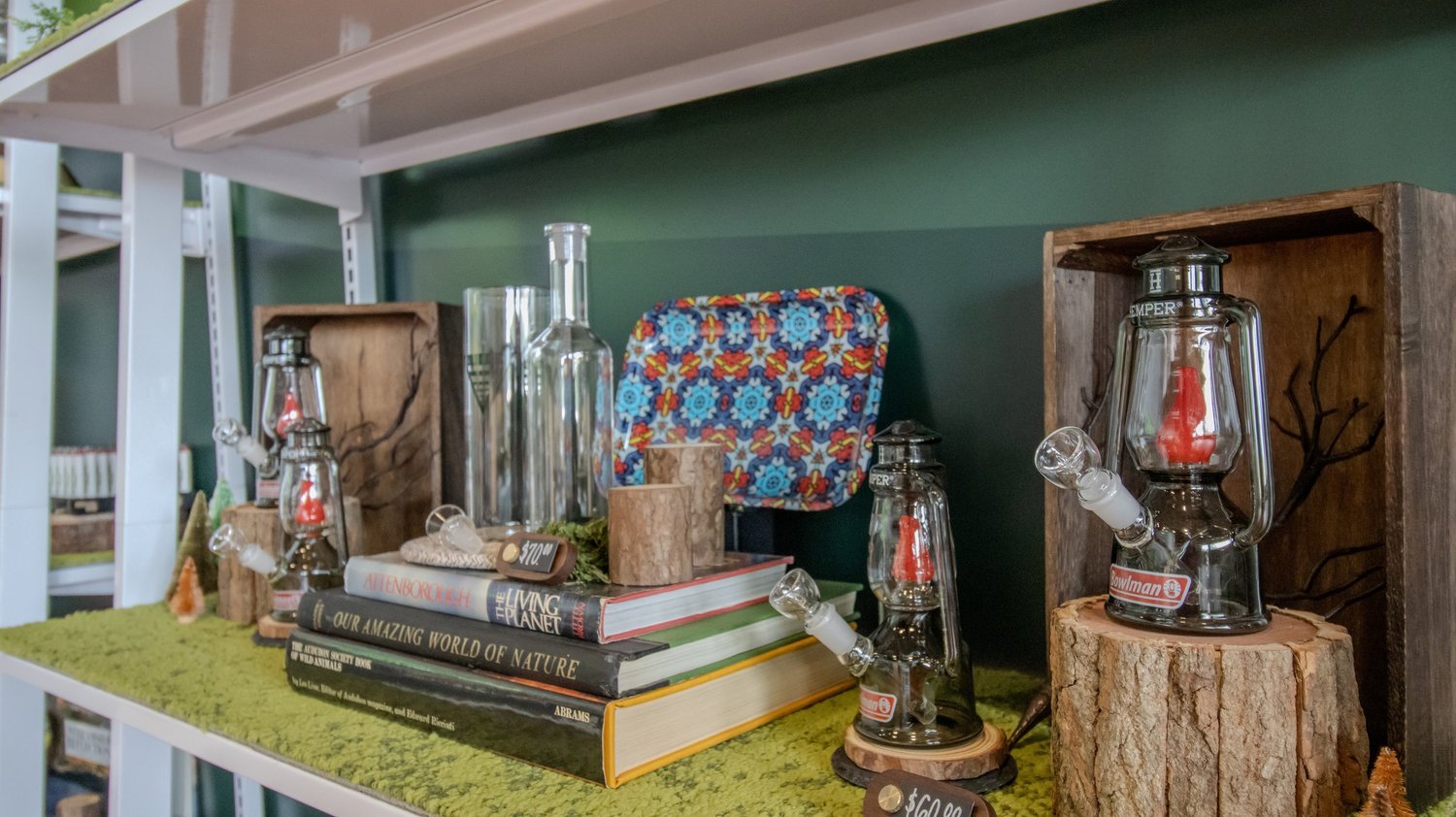
Download the final image and preview it at 100% zoom. Check for artifacts around the edges of your trippy weed art. Export as PNG for transparent backgrounds or JPG for photographic cannabis brand imagery. Save a copy of the original high-res file for future use.
Fix Common Mistakes
Even with a strong design concept, poor execution can ruin a brand’s aesthetic. In cannabis packaging and digital art, technical errors are often more damaging than creative ones. The most frequent pitfalls involve incorrect image dimensions, wrong file formats, and ignoring platform-specific constraints. These mistakes lead to blurry visuals, rejected packaging files, or broken web layouts.
Pixel Dimensions and Aspect Ratios
The most common error is ignoring the required pixel dimensions. For example, many social media platforms and print templates require specific ratios like 420x525 pixels. Using a generic square image or a wrong aspect ratio forces the system to crop or stretch the artwork, distorting the brand’s visual identity. Always check the exact pixel requirements for your target medium before starting the design process.
File Size and Compression
Uploading uncompressed files can slow down websites and increase printing costs. Conversely, over-compressing images leads to visible artifacts and loss of detail, which is especially noticeable in trippy, high-contrast weed art. Use online tools to resize images to the correct pixel size while balancing quality and file weight. Aim for a balance where the image loads quickly but retains its vibrant details.
Format Selection
Choosing the wrong file format is another frequent mistake. JPEG is suitable for photographs but poor for text-heavy designs or vector graphics. PNG is better for transparency and sharp edges, while PDF is essential for print-ready packaging. Using JPEG for a logo with transparent backgrounds can result in unsightly white boxes. Always match the file format to the intended use case.
Platform-specific limits to account for
Each platform has unique constraints. Instagram favors square or vertical formats, while web banners might require wide horizontal layouts. Ignoring these differences can lead to critical elements being cut off. Test your designs on the actual devices and platforms where they will appear. This simple step can save hours of rework and ensure a professional presentation.
420 pixels: what to check next
You have a trippy weed art design, but the platform demands specific pixel dimensions or file weights. Here are the practical answers to the most common technical hurdles, from resizing JPGs to managing KB limits.
How can I resize a JPG image to pixel size?
Open an online photo resizer like FormPhotoEditor or SimpleImageResizer. Upload your JPG, then manually enter the target width and height in pixels (e.g., 420x525). Ensure "Lock Aspect Ratio" is checked if you want to prevent distortion, or uncheck it for exact cropping. Download the result and verify the dimensions in your file properties.
How can I resize an image to KB?
Pixel dimensions and file size (KB) are different. To hit a specific KB limit, use a tool like CompressKaru or Watermarkly. Upload your image, set the target file size in kilobytes, and let the tool compress the resolution or quality. If the image is too large, you may need to reduce the pixel dimensions first before compressing to meet the weight requirement.
What is the best aspect ratio for 420-themed art?
There is no single "best" ratio, but 420x525 pixels is a common standard for digital cards and social media posts. This 84:105 ratio approximates a standard 4:5 social post while honoring the theme. For web banners, 800x420 pixels is often preferred. Always check your specific platform's guidelines before finalizing your design.
Can I convert PNG to JPG to save space?
Yes. PNGs preserve transparency but are heavier. If your weed art doesn't need a transparent background, converting to JPG will significantly reduce the file size in KB. Use a free converter to change the format, then re-compress the JPG if it still exceeds your platform's weight limit.
No comments yet. Be the first to share your thoughts!