

Weed Art's Unexpected Bloom
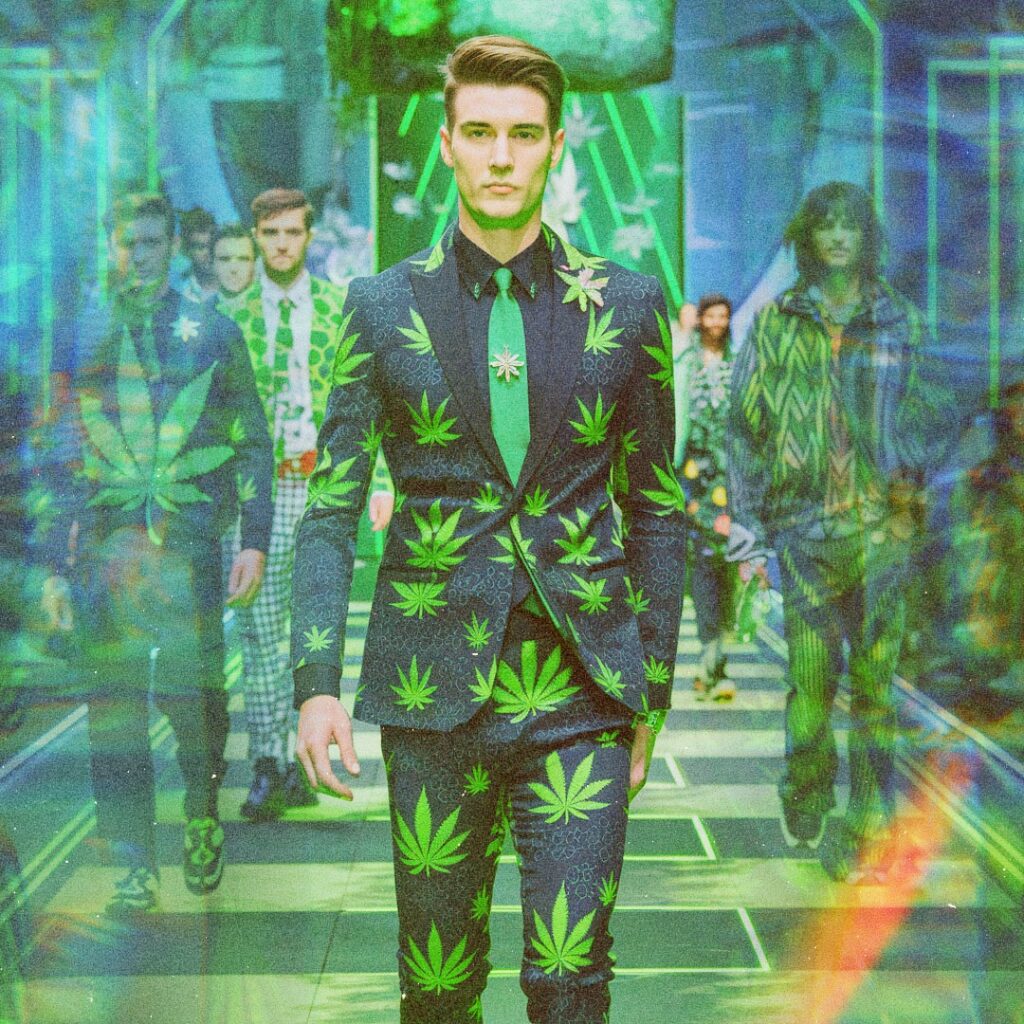
Psychedelic imagery, once confined to head shop posters and underground comics, is now mainstream. This counter-culture expression appears on runways, in home decor, and in major advertising campaigns, marking a significant aesthetic shift beyond just t-shirts.
This imagery's roots are tied to cannabis history. From 1960s and 70s protest art challenging norms with psychedelic visuals to The Grateful Dead's album art, weed imagery has been a tool for rebellion and self-expression, though it remained largely underground for decades.
Shifting public opinion on cannabis, industry normalization, and a fascination with retro aesthetics have created fertile ground for trippy weed art. What was once taboo is now embraced by wider audiences, feeling fresh despite its decades-old origins.
This wave isn't just old tropes. Artists blend psychedelic styles with contemporary design, pushing boundaries. This dynamic art form is set to become more influential.
Etsy's Explosive Growth in Trippy Designs
Etsy reflects cultural trends, and 'psychedelic' is prominent. A search for 'trippy weed art' shows thousands of listings, from digital downloads to handmade art, indicating growing demand.
Etsy search data shows an upward trend in keywords like 'psychedelic 420 wall art,' 'groovy prints,' 'stoner room decor,' and 'retro cannabis decor.' Sellers are responding to this demand with fierce competition, and some shops specialize in this aesthetic, building dedicated followings.
Sellers offer 'high class joint print' designs as digital downloads for customers to print. These often feature bold colors, swirling patterns, and stylized cannabis leaves. Physical prints, posters, and canvases are also available. Successful sellers offer a vibe—an aesthetic that resonates with their audience.
Many digital prints are under $10, making this aesthetic accessible and likely contributing to its popularity, especially among younger buyers.
- Popular Search Terms: 'trippy weed art,' 'psychedelic 420 wall art,' 'groovy prints,' 'stoner room decor,' 'retro cannabis decor'
- Common Product Types: Digital downloads, prints, posters, canvases
- Price Range: Digital prints often under $10, physical prints vary widely
Trending Weed Art Searches
- Psychedelic Mushroom Weed Art - Searches for art combining cannabis imagery with vibrant mushroom designs have surged, reflecting a broader interest in both plant-based psychedelics and artistic expression. (Est. 12.5K monthly searches)
- Weed Leaf Tie Dye T-shirts - The classic tie-dye look, infused with cannabis leaf patterns, remains incredibly popular, particularly with a younger demographic. (Est. 9.8K monthly searches)
- Trippy Cannabis Landscape Paintings - Original artwork depicting surreal, colorful landscapes incorporating cannabis plants is gaining traction. (Est. 7.2K monthly searches)
- Weed Socks with Novelty Prints - Fun and expressive weed-themed socks, featuring everything from cartoon characters to intricate leaf designs, are a popular impulse buy. (Est. 6.1K monthly searches)
- Cannabis Logo Design - Minimalist - Businesses are increasingly seeking clean, modern logo designs that subtly incorporate cannabis elements. (Est. 5.5K monthly searches)
- Vintage Weed Poster Art - Retro-style posters featuring vintage cannabis advertising or psychedelic imagery are experiencing a revival. (Est. 4.9K monthly searches)
- Weed Care Bear Customizations - Personalized Care Bears with cannabis-themed accessories or designs are a unique and trending item. (Est. 3.8K monthly searches)
Adobe Stock's Psychedelic Imagery Boom
Trippy weed art's rise isn't limited to Etsy. Adobe Stock also sees a surge in demand for psychedelic and cannabis imagery, with over 34,726 stock photos, vectors, and videos tagged 'psychedelic weed' as of late 2023.
This suggests businesses and creatives need high-quality imagery for this trend. Advertising agencies, marketing teams, and editorial publications are buying these images.
Purchased images are diverse, with strong demand for stylized cannabis leaves, swirling psychedelic patterns, and abstract backgrounds featuring vibrant colors and surreal compositions. These images capture a feeling of altered perception and creative energy, rather than realistic cannabis depictions.
A market for video content exists, with vertical videos and psychedelic loops growing in popularity for social media campaigns and digital advertising. This shows the trend moving beyond niche markets into the mainstream.
Streetwear's High-Minded Makeover
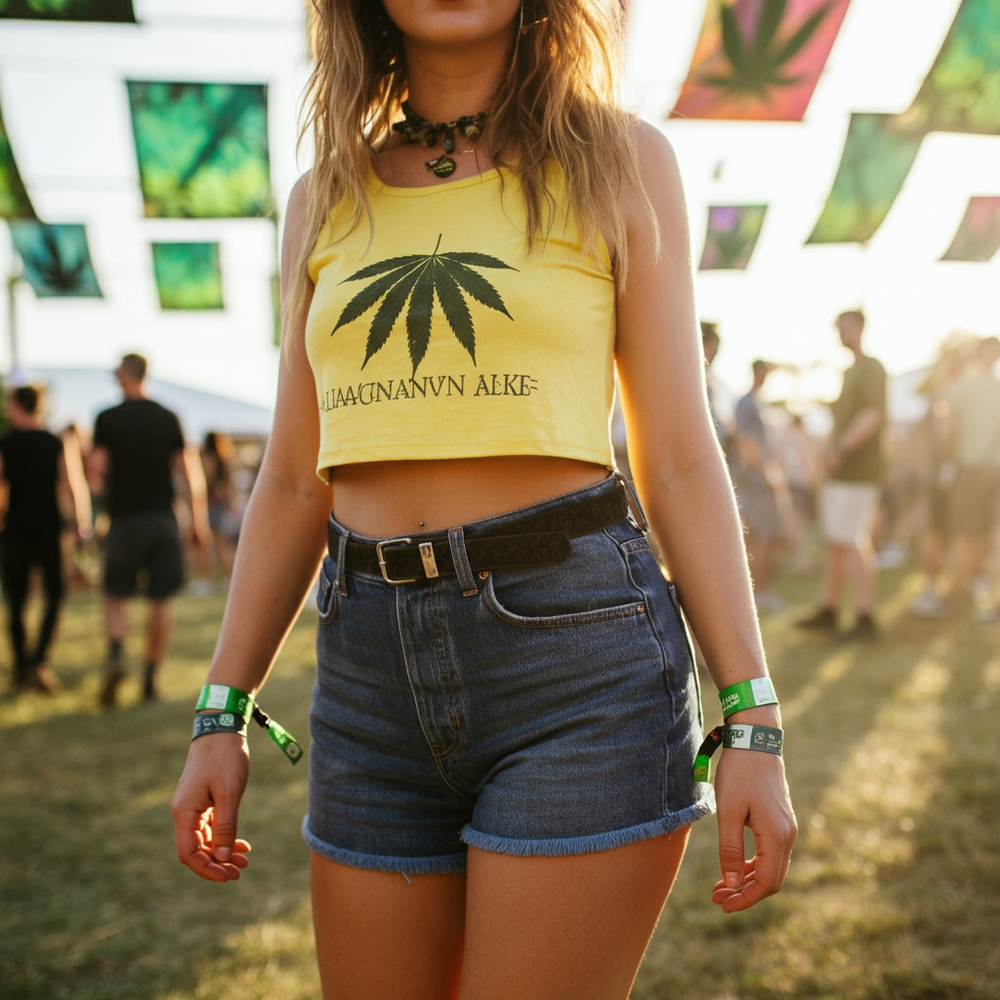
Cannabis streetwear is a significant fashion industry force, not just a subculture. Designers incorporate trippy weed art into collections, appealing to those valuing self-expression and individuality. Brands like Smoke Cartel have built identities around this aesthetic.
Psychedelic elements appear subtly, from swirling tie-dye on hoodies to embroidered cannabis leaves on jackets or mind-bending graphic prints on t-shirts. The goal is visually appealing and culturally relevant clothing.
This goes beyond slapping a weed leaf on a shirt. Successful brands use psychedelic art to tell stories, convey messages, or evoke moods, experimenting with techniques like screen printing, embroidery, digital design, and sublimation.
The target demographic is typically Gen Z and Millennials, who are open-minded, creative, and comfortable with cannabis normalization. They use this aesthetic to express identity and connect with like-minded individuals, making a statement as the style gains traction.
Beyond Clothing: Expanding the Aesthetic
Trippy weed art's influence extends beyond apparel, permeating home decor, accessories, and novelty items. This broadening appeal suggests staying power beyond a fashion trend.
Demand for weed-themed home decor, including tapestries, posters, and furniture, is surging. Psychedelic patterns and cannabis leaf motifs appear on items from throw pillows to shower curtains, as people create environments reflecting their style and values.
Accessories are another growth area. Weed socks and candles have seen a huge response, allowing people to incorporate the aesthetic subtly and playfully. 'Weed Care Bears' offer a cheeky, ironic take on a childhood icon.
Novelty items like lighters, phone cases, and keychains are also getting psychedelic makeovers, indicating this aesthetic's full integration into popular culture.
The Logo Landscape: Branding with a Buzz
As the cannabis industry matures, demand for unique logos is skyrocketing. Brands recognize logos are essential for identity and loyalty, and many turn to psychedelic art for inspiration.
Current design trends favor bold colors, swirling patterns, and stylized cannabis leaves, often incorporating retro elements for nostalgia and authenticity. Fonts are playful and expressive, reflecting the industry's creative spirit.
undefined considerations.
Navigating the legal landscape when designing a cannabis-related logo can be tricky. It's important to avoid imagery that could be seen as appealing to minors or that violates local regulations. We ensure all of our designs meet the necessary legal requirements, giving our clients peace of mind.
- Key Logo Design Trends: Bold colors, swirling patterns, stylized cannabis leaves, retro design elements
- Font Styles: Playful, expressive, and often hand-drawn
- Legal Considerations: Avoid imagery appealing to minors, comply with local regulations
2026 Predictions: Where Will This Go?
Predicting the future is always a risky proposition, but it seems likely that the trend of trippy weed art and psychedelic cannabis fashion will continue to gain momentum over the next few years. As cannabis becomes increasingly legal and socially accepted, we can expect to see even more brands and designers embracing this aesthetic.
One potential development is the emergence of more sophisticated and nuanced designs. The current trend is often characterized by bold, in-your-face imagery. But as the market matures, we may see a shift towards more subtle and refined aesthetics. Designers might start experimenting with different techniques and materials, pushing the boundaries of what’s possible.
Another possibility is the integration of this aesthetic into other art forms, such as music, film, and video games. Psychedelic visuals have always been closely associated with altered states of consciousness, and as virtual reality and immersive experiences become more prevalent, we might see a resurgence of this imagery in these contexts.
However, there’s also a risk of homogenization. As the trend becomes more mainstream, it could lose some of its subversive edge. The challenge will be to maintain the authenticity and creativity that made this aesthetic so appealing in the first place. I’m not sure how successful that will be, but it’s worth keeping an eye on.

No comments yet. Be the first to share your thoughts!