
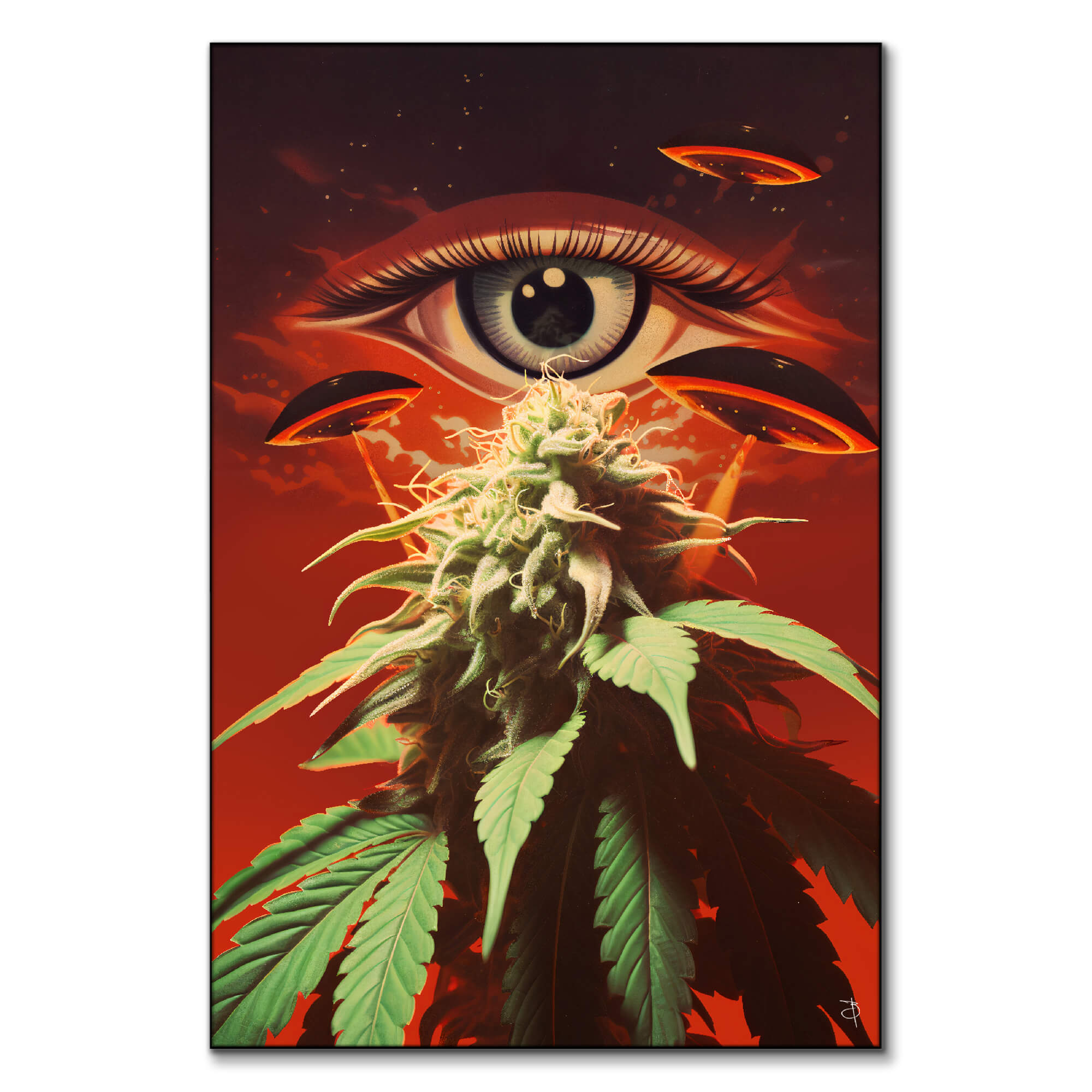

Why 420 Pixels Define Modern Cannabis Art
The term "420 pixels" has evolved beyond a simple technical specification into a distinct visual language within the cannabis community. It represents the intersection of digital precision and counterculture identity, where the numerical motif of 420 meets the building blocks of modern design: the pixel. This convergence creates a unique aesthetic that bridges the gap between traditional stoner culture and contemporary digital art trends.
In the context of trippy weed art, 420 pixels serve as both a homage and a functional constraint. Artists and designers use this specific dimension or numerical reference to create works that are instantly recognizable to insiders while maintaining high-resolution clarity. The pixel becomes the medium through which psychedelic patterns, surreal imagery, and cannabis motifs are rendered with sharp, vibrant detail.
This approach allows for a consistent visual identity across various platforms, from social media avatars to large-scale wall prints. The "420 pixels" concept encourages creators to think about resolution not just as a technical necessity, but as a creative boundary that sparks innovation. By embracing this specific digital footprint, artists can produce work that feels both nostalgic and futuristic, appealing to a generation that values both aesthetic appeal and cultural resonance.
10 Trippy Weed Art Trends for 2026: Transform Your Space with 420 Pixels
The 2026 landscape of trippy weed art is defined by high-resolution digital aesthetics, with 420 Pixels leading the charge in transforming living spaces through immersive visual design. This roundup highlights ten concrete examples of these trending styles, showcasing how specific product designs leverage vivid colors and surreal patterns to create distinct, psychedelic atmospheres.
1. Psychedelic Leaf Logos with Pixel Gradients
Transform your digital presence with logos that blend organic cannabis shapes into sharp, pixelated gradients. This 420 Pixels aesthetic bridges nature and technology, creating memorable brand identities that stand out in crowded marketplaces. The visual tension between soft leaf curves and rigid digital blocks captures modern attention effectively.
2. Custom Packaging with 420 Pixel Grids
Elevate product presentation by wrapping items in custom packaging featuring precise 420 Pixel grids. This structured approach adds a layer of digital sophistication to physical goods, making unboxing a visually stimulating experience. The grid pattern provides a modern, tech-forward backdrop that highlights the product within while maintaining a cohesive brand identity.
3. Trippy Weed Leaf Wall Art Prints
Inject energy into your living space with trippy weed leaf wall art prints that utilize bold, distorted perspectives. These pieces often feature swirling colors and surreal compositions that draw the eye and spark conversation. The 420 Pixels style ensures that the artwork feels contemporary and digitally native, perfect for modern interiors seeking a statement piece.
4. Digital Avatars and NFT Weed Art
Explore the intersection of identity and culture through digital avatars and NFT weed art. These unique digital assets allow collectors to display their affinity for cannabis culture in virtual spaces and galleries. The 420 Pixels aesthetic brings a distinct, retro-futuristic charm to these digital collectibles, making them stand out in crowded online marketplaces.
5. Retro 8-Bit Cannabis Merchandise
Nostalgia meets modern style with retro 8-bit cannabis merchandise that celebrates pixel art history. From t-shirts to phone cases, these items feature chunky, colorful graphics that evoke early gaming eras. The 420 Pixels trend capitalizes on this love for simplicity and boldness, offering wearable art that is both fun and visually striking for fans of retro culture.
6. Trippy Smoke Cloud Pixel Patterns
Transform your digital interface with smoke cloud pixel patterns that mimic the swirling, ephemeral nature of vapor. These designs use soft gradients and blurred edges to create a dreamy, atmospheric effect that feels both modern and nostalgic. Perfect for app backgrounds or website headers, this style adds depth without overwhelming the user experience.
7. Minimalist 420 Pixel Branding
Embrace clean lines and reduced color palettes with minimalist 420 pixel branding. This trend strips away the psychedelic clutter, focusing on sharp, geometric representations of the number 420 in pixel form. It offers a sophisticated, professional look that appeals to a broader audience while still signaling cannabis culture through subtle, recognizable symbols.
8. Interactive Pixel Art for Weed Apps
Enhance user engagement by integrating interactive pixel art into cannabis-related applications. These dynamic elements respond to touch, swipes, or scrolling, creating a playful, gamified experience. From animated pixel leaves that sway to buttons that change color upon interaction, this trend brings a tactile, lively feel to digital platforms.
9. Trippy Weed Leaf Stickers and Decals
Add a splash of psychedelic color to your gear with trippy weed leaf stickers and decals. These vibrant designs feature swirling patterns, neon hues, and distorted leaf shapes that catch the eye. Ideal for laptops, water bottles, or car windows, they offer a fun, customizable way to express your cannabis affinity in everyday settings.
10. Custom 420 Pixel Art for Cannabis Events
Create unique memorabilia for cannabis events with custom 420 pixel art. Whether for festival posters, event badges, or exclusive merchandise, this personalized approach ensures your design stands out. By incorporating event-specific dates, locations, or themes into pixelated graphics, you craft a lasting, shareable piece of cannabis culture history.
Frequently Asked Questions About 420 Pixels
What does 420x525px mean for my art?
The 420x525px dimension specifies an image that is 420 pixels wide and 525 pixels tall. This vertical aspect ratio (roughly 4:5) is a standard format for social media feeds and digital galleries, allowing trippy weed art to display clearly without excessive cropping. Tools like Form Photo Editor allow you to resize or compress images to these exact pixel dimensions for consistent presentation.
How do I convert 420x525px to inches?
Pixel-to-inch conversion depends on your display resolution, measured in pixels per inch (PPI). For standard web viewing, 1 inch typically equals 96 pixels. Therefore, a 420-pixel wide image translates to approximately 4.375 inches on screen. If you plan to print the art, you would need to adjust the PPI setting (often to 300) to ensure the physical print maintains sharp, pixelated detail.
Why use 420x525px instead of other sizes?
Unlike standard 1080x1080 square formats, the 420x525px size offers more vertical space, which is ideal for showcasing the intricate, flowing patterns often found in psychedelic cannabis designs. It balances visibility in narrow sidebars or mobile feeds while providing enough canvas area for complex pixel art details that might get lost in smaller thumbnails.
Start Creating Your Own 420 Pixel Art
The 420 pixel dimension serves as a flexible canvas for digital cannabis art, allowing you to blend trippy aesthetics with precise digital craftsmanship. Whether you are designing social media graphics or print-ready assets, this resolution offers a balanced aspect ratio that works across various platforms without compromising visual integrity.
To begin, use an online 420x525 px photo resizer to adjust your source images to the exact pixel dimensions. Tools like Form Photo Editor or CompressKaru help maintain quality while ensuring your artwork fits specific layout requirements. This step is essential for maintaining sharp details in psychedelic patterns or intricate botanical illustrations.
Experiment with layering techniques to create depth. Combine high-contrast neon colors with subtle gradients to evoke the "trippy" vibe that defines this genre. Focus on symmetry and repetition to guide the viewer's eye through the composition, ensuring the 420 pixel width remains the central anchor of your design.
-
Select a base image and resize to 420x525 px using a free online converter.
-
Apply psychedelic filters or layer vibrant, contrasting colors.
-
Add geometric patterns or botanical elements to enhance the trippy aesthetic.
-
Export in PNG or JPG format for optimal digital display.
No comments yet. Be the first to share your thoughts!