

AI Dreams: Cannabis Art's New Frontier
The world of trippy weed art is undergoing a seismic shift, and it’s largely thanks to artificial intelligence. Tools like Midjourney, DALL-E 3, and Stable Diffusion have democratized art creation in a way we haven’t seen before. Now, anyone with an internet connection and a creative prompt can generate incredibly detailed and imaginative visuals. The accessibility is amazing, but it also means the sheer volume of AI-generated art is exploding, and the quality is… variable, to say the least.
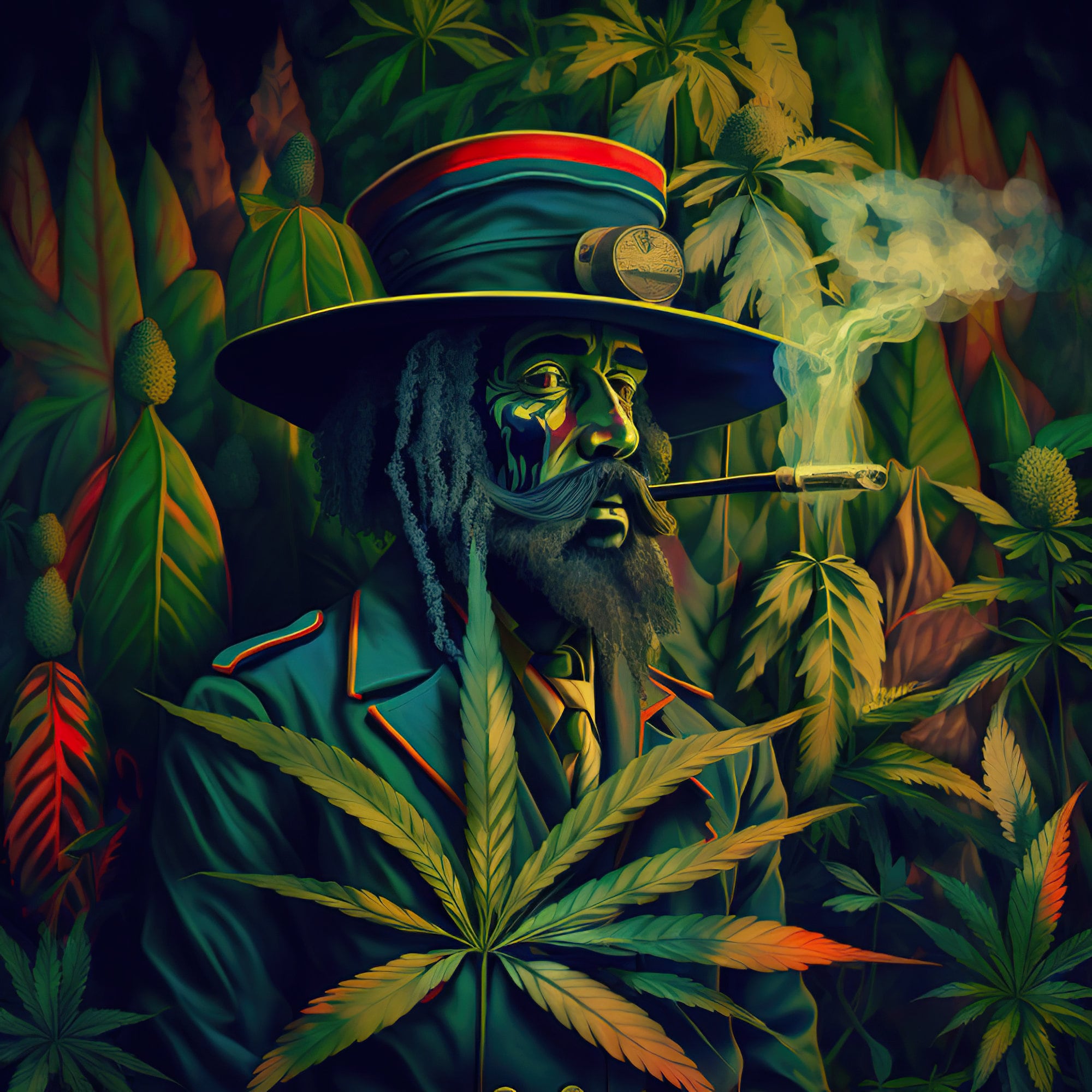
What’s particularly interesting is the aesthetic direction we're seeing. Hyperrealism is huge – images so detailed they almost look like photographs. But there’s also a strong pull towards psychedelic fractals, those endlessly repeating patterns that really mess with your head, and glitch art, which embraces digital imperfections. On Etsy, you can already find a ton of these styles being used in prints and posters. It's a fascinating blend of technology and the counterculture.
Of course, the rise of AI art isn’t without its complications. Copyright is a huge question mark. Who owns the rights to an image generated by an AI? The user who wrote the prompt? The developers of the AI? The legal landscape is still evolving, and it’s something artists and consumers alike need to be aware of. The US Copyright Office has already issued guidance stating that AI-generated art without human authorship is not copyrightable, but the debate is far from over.
Holographic Highs: T-Shirt Tech Takes Shape
Holographic t-shirt designs are poised to be huge by 2026. This isn’t about projecting images onto fabric; it’s about using diffraction gratings and iridescent films to create designs that shift and change color depending on the viewing angle. It’s a really cool effect that adds a whole new dimension to wearable art. The technology is becoming more refined, but we're still in the early stages.
Currently, the biggest limitations are cost, washability, and design complexity. Creating intricate holographic designs that hold up after multiple washes is a challenge. The films themselves can be expensive, which drives up the price of the shirts. However, as the technology matures and production scales up, those costs will inevitably come down. We're seeing similar tech used in limited-edition sneakers and streetwear, which shows the broader appeal.
The demand for interactive clothing is growing, and holographic designs fit perfectly into that trend. At 420 Pixels, we’re actively exploring ways to incorporate this technology into our t-shirt designs, experimenting with different films and printing techniques. I think the potential for creating truly mind-bending, trippy weed t-shirts is enormous. It isn't just about the visuals; it's about the experience.
Beyond the Leaf: Evolving Cannabis Aesthetics
For a long time, trippy weed art was almost synonymous with cannabis leaf imagery. While the leaf isn’t going anywhere, we’re seeing a clear shift towards more abstract, conceptual, and character-driven designs. Artists are moving beyond the literal and exploring the feeling of being high, the altered states of consciousness, and the cultural context of cannabis.
The influence of psychedelic art from the 60s and 70s is undeniable. Think Peter Max’s vibrant colors and swirling patterns, or Rick Griffin’s iconic concert posters. Those styles are being reinterpreted and updated for a modern audience. There’s a real appreciation for that vintage aesthetic, and we’re seeing a lot of artists drawing inspiration from it.
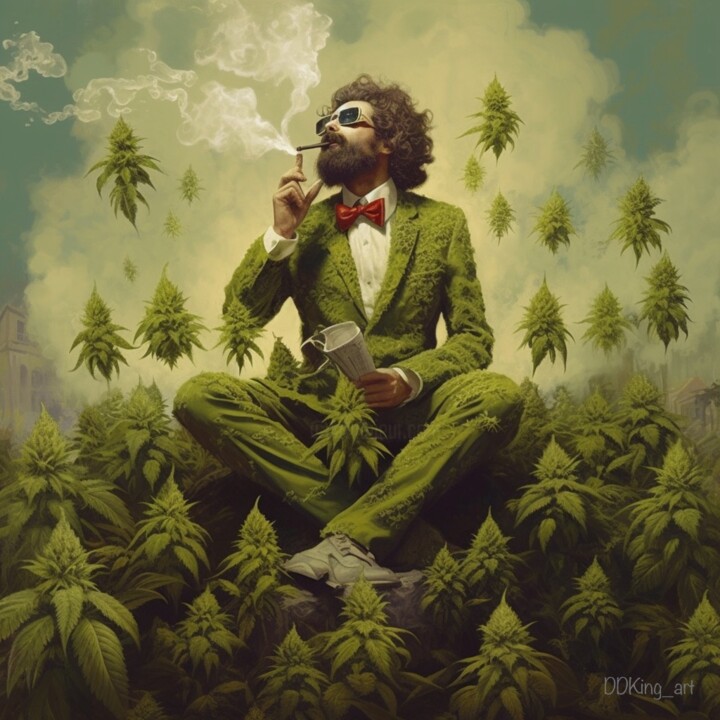
"Stoner art’ is also gaining legitimacy as an art form. Artists are openly embracing cannabis as a muse, and their work is increasingly sophisticated and thought-provoking. It’s no longer just about carefree doodles; it"s about exploring complex themes and pushing creative boundaries. You can find examples of this on platforms like Adobe Stock, with a huge library of psychedelic weed images available.

Packaging That Pops: The Art of the Strain
Weed packaging is no longer an afterthought; it’s a crucial branding element. In a crowded market, packaging is what helps a product stand out on the shelf. We’re seeing a growing emphasis on design that reflects the quality and personality of the strain inside. It's not just about containment anymore; it's about creating an experience.
Current trends include minimalist designs with clean lines and sophisticated typography, as well as bold, colorful designs that grab attention. Sustainable materials are also becoming increasingly important, as consumers become more environmentally conscious. Brands are experimenting with recycled paper, plantable seed paper, and compostable packaging. Child-resistant packaging remains a top priority, and designers are finding creative ways to integrate it into the overall aesthetic.
I’m also noticing a trend towards "luxury’ packaging, with premium materials and finishes. Brands are using this to justify higher prices and position their products as high-end experiences. It’s a strategy that seems to be working, as consumers are often willing to pay more for a product that feels special and well-crafted. The goal is to create packaging that"s not just functional, but also beautiful and collectible.
- Minimalist designs
- Bold typography
- Sustainable materials
- Child-resistant features
- Luxury finishes
Emerging Cannabis Aesthetics
- AI-Assisted Design - The integration of artificial intelligence tools is enabling hyper-personalized and complex cannabis art. Expect to see more designs generated from user prompts, leading to truly unique visuals.
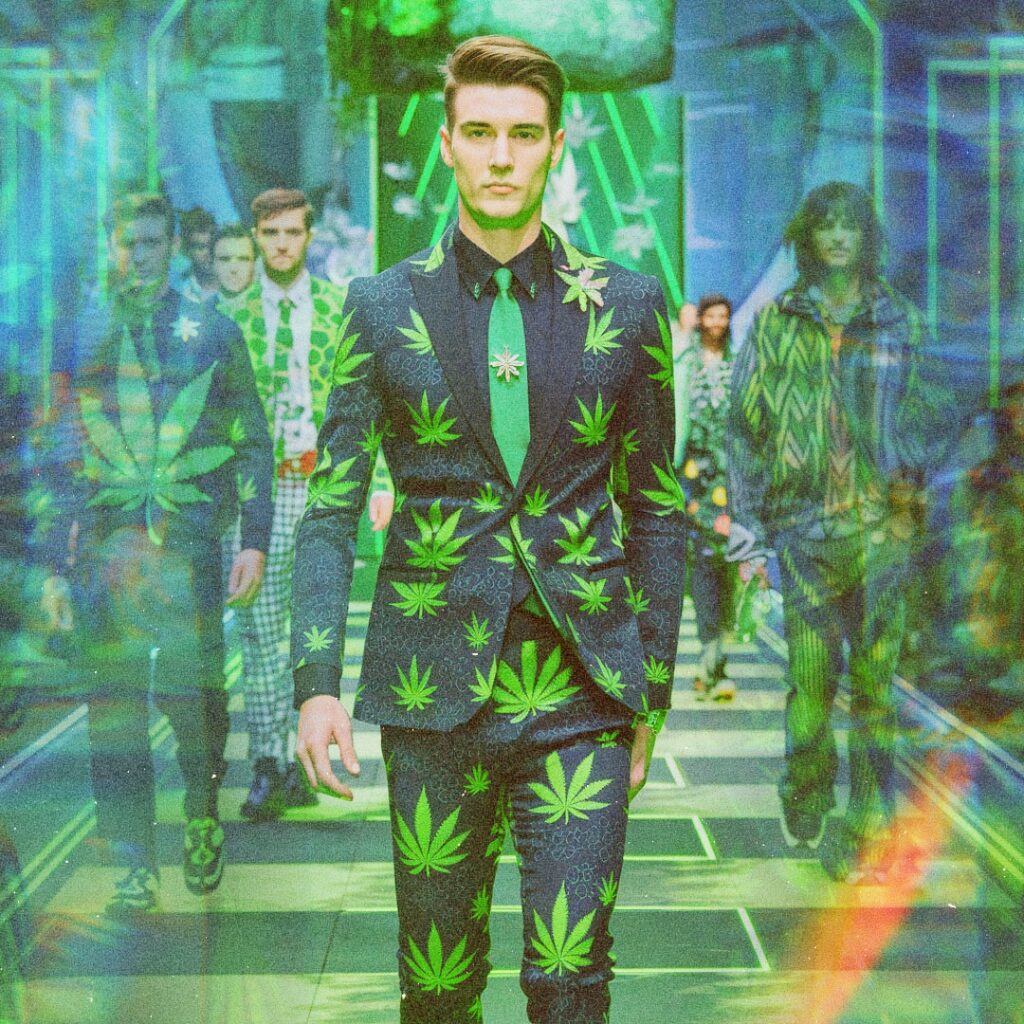
- Holographic & Iridescent Effects - Shifting colors and 3D-like illusions are gaining traction, particularly on packaging and apparel. This trend adds a premium and futuristic feel.
- Psychedelic Retro Revival - A resurgence of 1960s and 70s psychedelic art styles, featuring swirling patterns, vibrant colors, and organic shapes, is influencing both art prints and product branding.
- Biomorphic & Organic Forms - Designs inspired by natural structures – think fungal networks, plant cells, and flowing water – are becoming increasingly popular, emphasizing the plant's origins.
- Glitch Art & Digital Distortion - Embracing the aesthetic of digital errors and imperfections, glitch art creates a visually arresting and modern look, often used for limited-edition releases.
- Interactive Packaging - Packaging that incorporates augmented reality (AR) or QR codes leading to exclusive content, strain information, or artistic experiences is enhancing consumer engagement.
- Sustainable & Earthy Palettes - Reflecting a growing consumer consciousness, designs utilizing natural color palettes (greens, browns, muted tones) and eco-friendly materials are gaining prominence.
Weird & Wonderful: Novelty Product Designs
The market for novelty cannabis-themed products is booming. It’s not just about flower and edibles anymore; consumers are looking for fun, quirky items that express their love of cannabis culture. Weed socks are a surprisingly popular item, and we’re seeing a lot of creative designs, from subtle leaf patterns to bold, psychedelic prints.
Cannabis-scented candles are another hot seller, offering a unique way to enjoy the aroma of cannabis without actually consuming it. And then there’s the resurgence of "care bears’ with a 420 twist – these are flying off the shelves. It"s a playful take on a classic that resonates with a lot of people.
I think the key to success in this market is leaning into the humor and self-expression aspects of cannabis culture. People want to show off their passion for cannabis in a lighthearted and approachable way. These products provide a way to do that without being overly serious or preachy. It’s about embracing the fun side of things.
Content is being updated. Check back soon.
The Metaverse & Digital Collectibles
The potential of NFTs and digital art within the cannabis space is still largely untapped, but it’s definitely something to watch. Brands are starting to experiment with NFTs to create exclusive content, reward loyal customers, and build community. Imagine a digital collectible that unlocks access to exclusive strains or events.
However, there are significant challenges to overcome. Regulations surrounding cannabis and digital assets are complex and constantly evolving. Navigating those legal hurdles is a major obstacle for brands looking to enter this space. There’s also the issue of mainstream adoption – NFTs are still relatively niche, and many consumers don’t fully understand them.
I’m not convinced that NFTs will become mainstream within the cannabis industry anytime soon, but the potential is there. It’s a space worth exploring, especially for brands that are looking for innovative ways to engage with their customers and build brand loyalty. It’s a long game, but one with potentially big rewards.
Color Palettes & Psychedelic Trends
Color is everything in trippy weed art. The dominant palettes are constantly evolving, but certain trends are emerging. Traditionally, bright, saturated colors have been popular—think neon pinks, electric blues, and vibrant oranges. These colors are associated with energy, excitement, and altered states of consciousness.
However, I’ve noticed a move away from hyper-saturated colors towards more muted, earthy tones. Think olive greens, burnt oranges, and dusty rose. These colors create a more sophisticated and calming effect, while still retaining a psychedelic feel. Gradients and optical illusions are also being used extensively to create depth and movement.
The psychological effects of different colors play a big role in these trends. Blues and greens are often associated with relaxation and tranquility, while reds and oranges can evoke feelings of excitement and energy. Artists are carefully considering these associations when choosing their color palettes, aiming to create specific moods and experiences for the viewer. We're also seeing a resurgence of 70s-inspired color schemes, with warm browns and oranges taking center stage.
piece 2; 117 from CryptoBlunts 420 by @KushCabinNFT
— The Professor (🏝x🎰) (@professorssc) February 28, 2022
although I couldn't fit all my cryptoblunts into this gallery, kush is an OG homie from when I first entered the NFT space. def check him out if you enjoy the trippy weed art
I love the background of this piece 🚬 pic.twitter.com/d5ut94NxFo

No comments yet. Be the first to share your thoughts!