

The Rise of Psychedelic Aesthetics
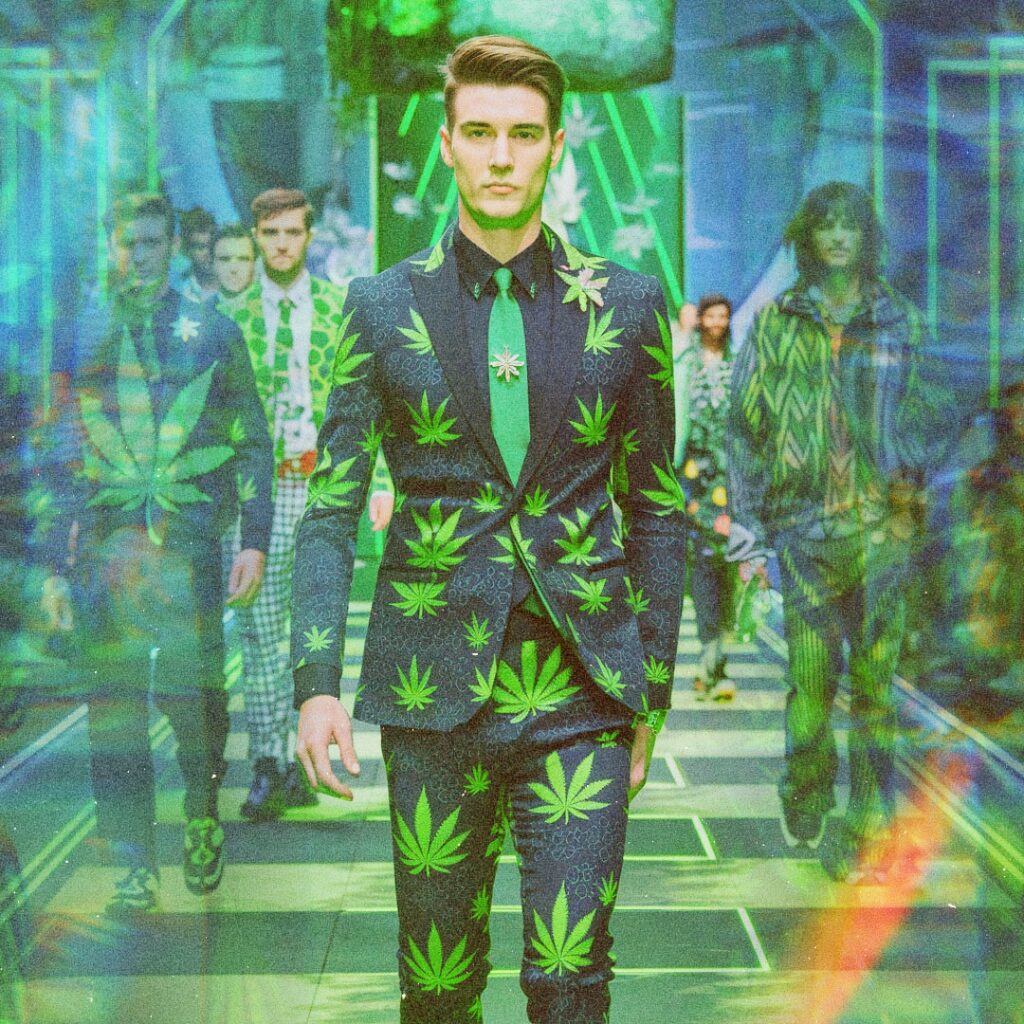
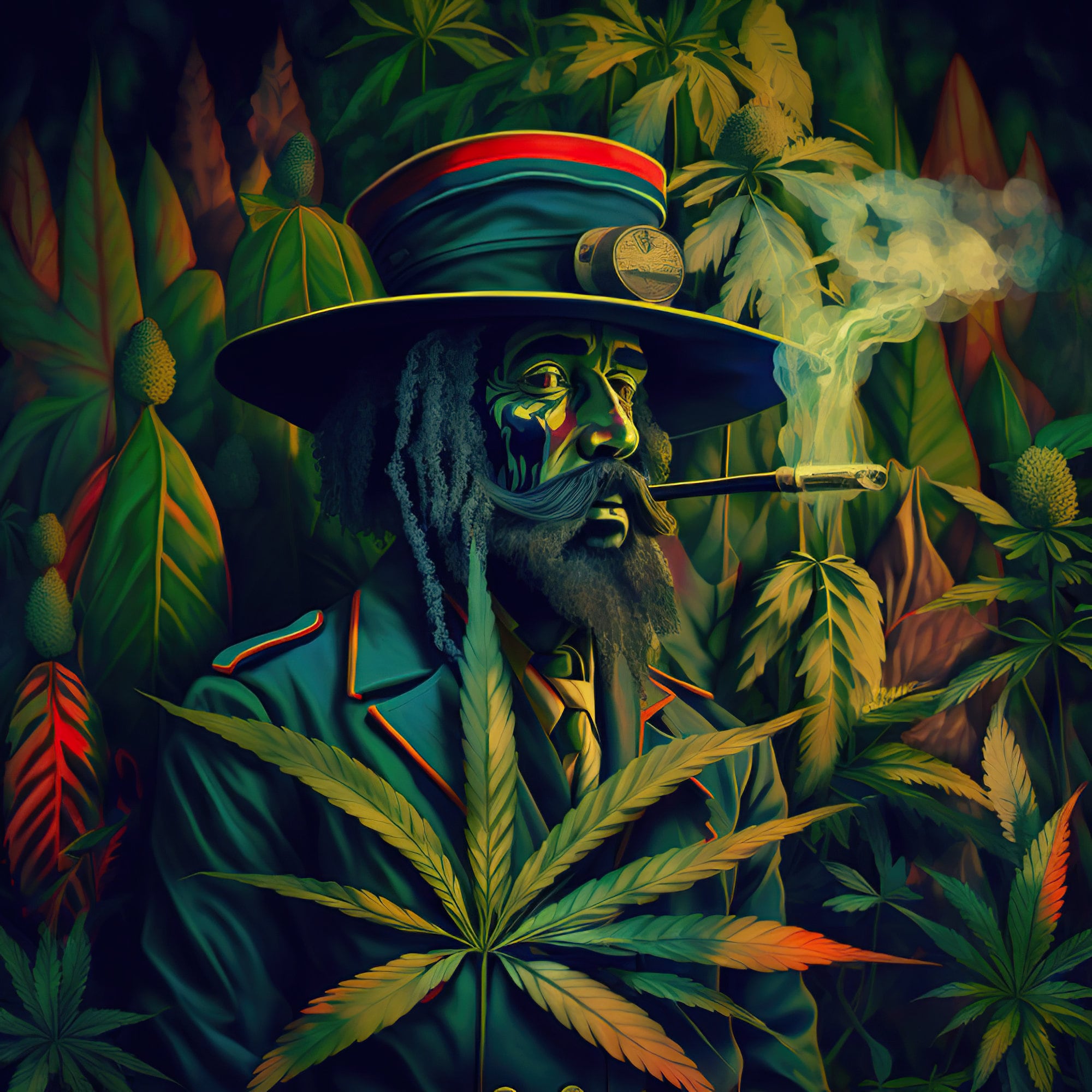
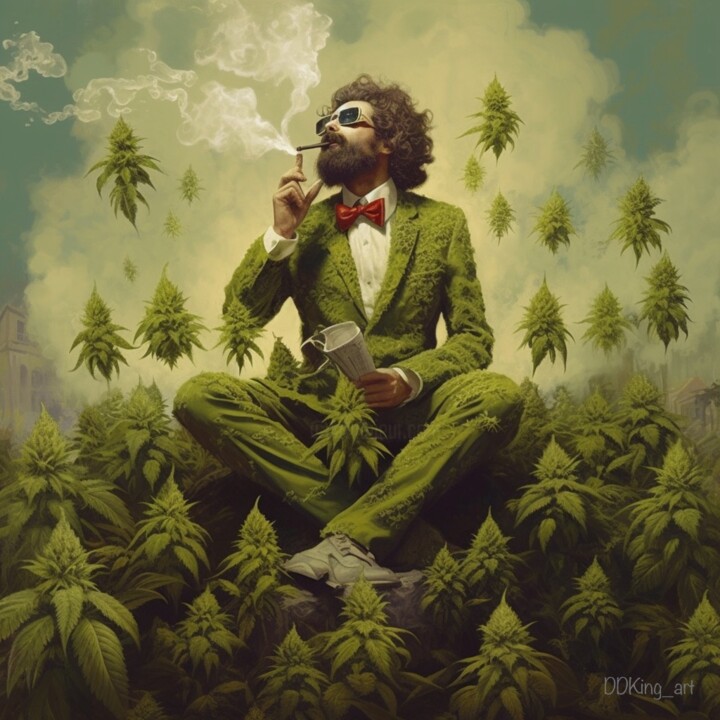
Weed art is shifting away from typical leaf motifs and Bob Marley imagery toward more hallucinatory styles. Psychedelic aesthetics are surging across visual mediums, influencing art surrounding cannabis. This trend embraces a visual language of altered states and expanded consciousness, not just the effects of cannabis.
Changing societal attitudes toward cannabis are driving demand for more sophisticated art and branding. People want creative, thought-provoking art that reflects their interest. Social media platforms like Instagram, TikTok, and Pinterest amplify these styles, introducing them to wider audiences.
While 'trippy' is subjective, this guide focuses on styles gaining traction now. These aesthetics evoke altered perception, vibrant colors, and intricate patterns, moving toward the immersive and mind-bending.
Adobe Stock had over 34,726 psychedelic weed images in late 2026, a significant increase showing growing demand.

Fractal Flows & Sacred Geometry
Fractal art and sacred geometry are prominent in trippy weed art. Fractals are infinitely complex, repeating patterns, like those seen in Romanesco broccoli or coastlines. They mimic visual distortions reported during altered states, evoking infinite depth and interconnectedness.
Sacred geometry incorporates shapes like mandalas, Fibonacci sequences, and the golden ratio, used for centuries in spiritual traditions for their sense of harmony. Android Jones's art, rooted in these patterns, exemplifies this style.
Intricate fractal patterns translate well to t-shirt designs. On packaging for vape cartridges, boxes, and strain labels, these designs add sophistication and signal an experience beyond just cannabis, creating a visual journey.
Etsy sellers offer digital and physical artwork with these designs; a search for 'psychedelic 420 wall art' yields thousands of results.
- Mandalas: Circular designs representing wholeness and the universe.
- Fibonacci Sequence: A mathematical sequence that appears frequently in nature, creating harmonious proportions.
- Golden Ratio: An irrational number (approximately 1.618) that embodies aesthetic perfection.
Neon Drip & Glitch Art
Neon drip and glitch art offer a digital aesthetic distinct from fractals. Characterized by bright neon colors, dripping effects, and intentional digital distortions, this style feels 'internet-native.'
Artists use software like Cinema 4D, Blender, and Procreate, layering images and manipulating colors to create chaos and energy. This embraces imperfection and digital artifacts, contrasting with fractal art's precision.
Popular on TikTok and Instagram for its quick visual impact, this style suits products like socks, posters, and phone cases. It also appears in animated logos and branding for cannabis businesses.
Shutterstock reports growing demand for 'psychedelic-trippy-420-weed-cannabis-vector-cartoon-design-pattern' art, indicating a strong market for this digital aesthetic.
Retro-Futurism & Vaporwave Vibes
Nostalgia is influencing weed art, with a resurgence of 80s and 90s aesthetics like synthwave, vaporwave, and retro-futurism. Elements include neon grids, palm trees, dolphins, old computer graphics, and a mix of technological optimism and melancholy.
This aesthetic appeals to cannabis audiences through escapism and a longing for simpler times. The combination of outdated technology and vibrant colors feels familiar yet alien, representing a future that never arrived.
Retro-futuristic graphics are appearing on weed packaging, including boxes, jars, and vape pens, helping brands stand out and appeal to a design-conscious audience by selling a vibe, not just cannabis.
These aesthetics evoke ironic detachment and a playful, subversive nod to the past. This lightheartedness resonates with many cannabis consumers.
Psychedelic Botanicals & Microscopic Views
Psychedelic botanicals combine detailed cannabis plant illustrations with psychedelic colors and patterns. Intricate renderings of leaves, buds, and flowers are overlaid with swirling colors and geometric designs, celebrating the plant's natural beauty with a psychedelic twist.
Microscopic imagery of trichomes and cannabis structures is also trending. These detailed, almost scientific images reveal the plant's biology, infused with vibrant colors and psychedelic patterns.
This style appeals to connoisseurs interested in the plant's science and cultivation artistry. The growing market values art celebrating the plant's intricacies over just the experience it provides, offering a sophisticated approach to weed art.
Brands use this style for educational materials and packaging, highlighting product quality and purity to appeal to discerning consumers interested in sourcing and production.
Animated Loops & Generative Art
Animation and generative art are gaining traction in weed art. Short, repeating animated loops create hypnotic effects for social media, while generative art uses algorithms for unique, ever-changing visuals.
Artists use tools like Processing, TouchDesigner, and AI platforms for animations, creating everything from swirling psychedelic patterns to evolving fractal landscapes. This new frontier is rapidly gaining traction.
Animations capture attention on social media like Instagram and TikTok. A growing niche market exists for NFTs of generative weed art, with potential for rare, collectible digital pieces.
undefined, and it’s hard to say exactly how big it will become. But the combination of technology and psychedelia is a powerful one, and I expect to see a lot more innovation in this area in the coming years.
Standout Artists to Watch in 2026
Here are a few artists who are really pushing the boundaries of trippy weed art right now. These are creators who are actively experimenting with the trends we’ve discussed and creating truly unique and captivating work.
Archan Nair (@archannair): An Indian-Australian artist known for his vibrant, psychedelic illustrations inspired by mythology and spirituality. His work often features intricate patterns and bold colors.
Kate Dehler (@katedehlerart): Specializes in digital collage and manipulation, creating surreal and dreamlike landscapes. Her work often incorporates botanical elements and psychedelic color palettes.
Spacefractals (@spacefractals): A master of fractal art, creating incredibly detailed and mesmerizing visuals. His work is often inspired by nature and the universe.
Riso.Ghost (@riso.ghost): An artist exploring the retro-futuristic aesthetic, blending glitch art with nostalgic imagery. Their work feels both familiar and unsettling.
Flora Bloom (@florabloomart): Creates stunning botanical illustrations with a psychedelic twist, often incorporating vibrant colors and intricate patterns.
OddlySatisfyingArt (@oddlysatisfyingart): Focuses on generative art and animated loops, creating hypnotic and mesmerizing visuals that are perfect for social media.
Cosmic Dust (@cosmicdustartist): Combines microscopic imagery of cannabis with psychedelic color palettes, creating art that is both beautiful and informative.
Where to Find & Buy These Styles
So, you're inspired and want to add some trippy weed art to your life? Great! There are plenty of places to find and purchase these styles. Of course, 420 Pixels is a great place to start—we specialize in this kind of art and offer a wide variety of designs on everything from t-shirts to socks to candles.
Etsy is another excellent option. It’s a marketplace for independent artists and creators, so you’ll find a huge selection of unique and handmade pieces. Redbubble and Society6 are also worth checking out, as they offer a wide range of prints, apparel, and home decor featuring trippy weed art. Redbubble has the advantage of a wider global reach, while Society6 focuses more on curated collections.
When choosing art, consider the print quality, the materials used, and the licensing rights. Make sure you’re purchasing from a reputable seller and that you understand the terms of use. If you’re buying a digital print, check the resolution and file format to ensure it’s suitable for your needs.
Each platform has its pros and cons. Etsy offers a more personal experience and supports independent artists, but the quality can vary. Redbubble and Society6 offer a wider selection and more consistent quality, but you’re often paying a premium for it. 420 Pixels aims to bridge that gap, offering high-quality designs at reasonable prices, with a focus on the cannabis aesthetic.
Content is being updated. Check back soon.
No comments yet. Be the first to share your thoughts!