

Why 420 pixels matters for weed branding
The number 420 has evolved from a specific cultural reference into a universal shorthand for cannabis identity. For digital assets, this translates to a standard dimension where the width is 420 pixels. Using this size signals your brand’s alignment with the culture immediately, acting as a visual handshake before the user even reads your copy.
Beyond the cultural nod, 420 pixels serves a practical technical function. It is an ideal width for social media thumbnails, website headers, and mobile-first previews. These platforms often crop or scale images aggressively; sticking to a 420-pixel width ensures your logo and key messaging remain legible without being distorted or cut off.
Consistency is the backbone of professional branding. When every image in your feed, from Instagram posts to website banners, adheres to the 420-pixel standard, you create a cohesive visual rhythm. This uniformity makes your brand instantly recognizable in a crowded feed, turning casual scrollers into loyal followers.
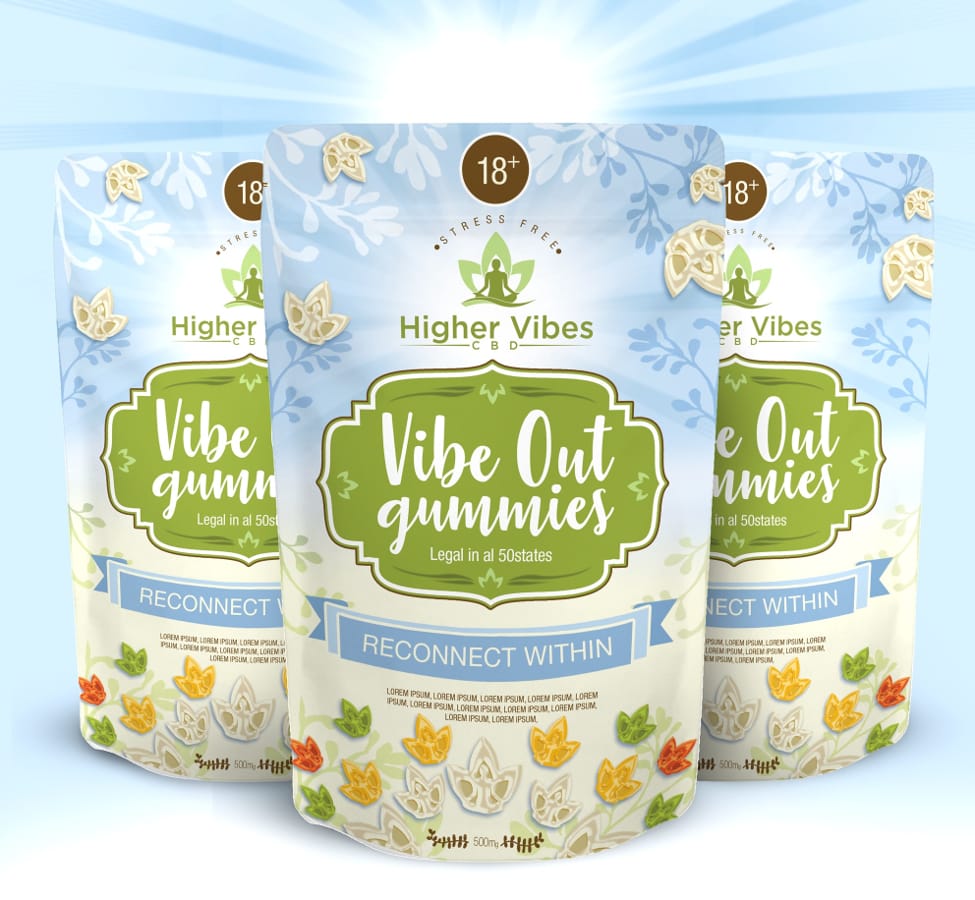
Choose the right aspect ratio for your cannabis branding asset
Selecting the correct aspect ratio for your 420 pixel base dimension ensures your branding looks sharp on every platform. A mismatched ratio forces cropping or adds distracting white bars, which can make a brand look unprofessional. By locking in the right proportions before you resize, you protect the integrity of your logo, product shots, and promotional graphics.
The 420 pixel height serves as a consistent anchor across different layouts. Whether you are designing for Instagram, a website banner, or print materials, starting with this specific height allows you to scale the width proportionally. This approach maintains visual consistency while adapting to the unique constraints of each medium.
Square (1:1)
A 1:1 ratio creates a perfect square, making it the standard for social media profiles and grid feeds. With a 420 pixel height, the width is also 420 pixels. This format is ideal for profile pictures, product thumbnails, and Instagram posts where the image occupies equal space on both axes. It ensures your cannabis branding remains centered and fully visible without awkward cropping on mobile devices.
Landscape (16:9)
The 16:9 ratio is the industry standard for website headers, YouTube thumbnails, and digital advertisements. To maintain a 420 pixel height, the width expands to approximately 747 pixels. This wider format provides ample space for text overlays and horizontal compositions, such as showing a full cannabis plant or a wide-angle shot of a retail display. It is particularly effective for digital banners that need to capture attention quickly.
Standard (4:3)
A 4:3 aspect ratio offers a balanced, slightly wider frame that is versatile for web articles, email newsletters, and traditional print layouts. With a 420 pixel height, the width calculates to 560 pixels. This ratio is less extreme than 16:9, making it suitable for product packaging previews or blog feature images where you want to retain some vertical space for text or branding elements without stretching the image too wide.
Comparison of 420px Base Ratios
| Aspect Ratio | Width (px) | Best Use Case | Platform Example |
|---|---|---|---|
| 1:1 (Square) | 420 | Social profiles, product grids | Instagram, Facebook Profile |
| 16:9 (Landscape) | 747 | Web banners, video thumbnails | Website Header, YouTube |
| 4:3 (Standard) | 560 | Email newsletters, blog posts | Medium, LinkedIn Articles |
| Aspect Ratio | Width (px) | Primary Use Case | Common Platform |
|---|---|---|---|
| 1:1 | 420 | Social profiles, product grids | Instagram, Facebook |
| 16:9 | 747 | Web banners, video thumbnails | Website Header, YouTube |
| 4:3 | 560 | Email newsletters, blog posts | Medium, LinkedIn |
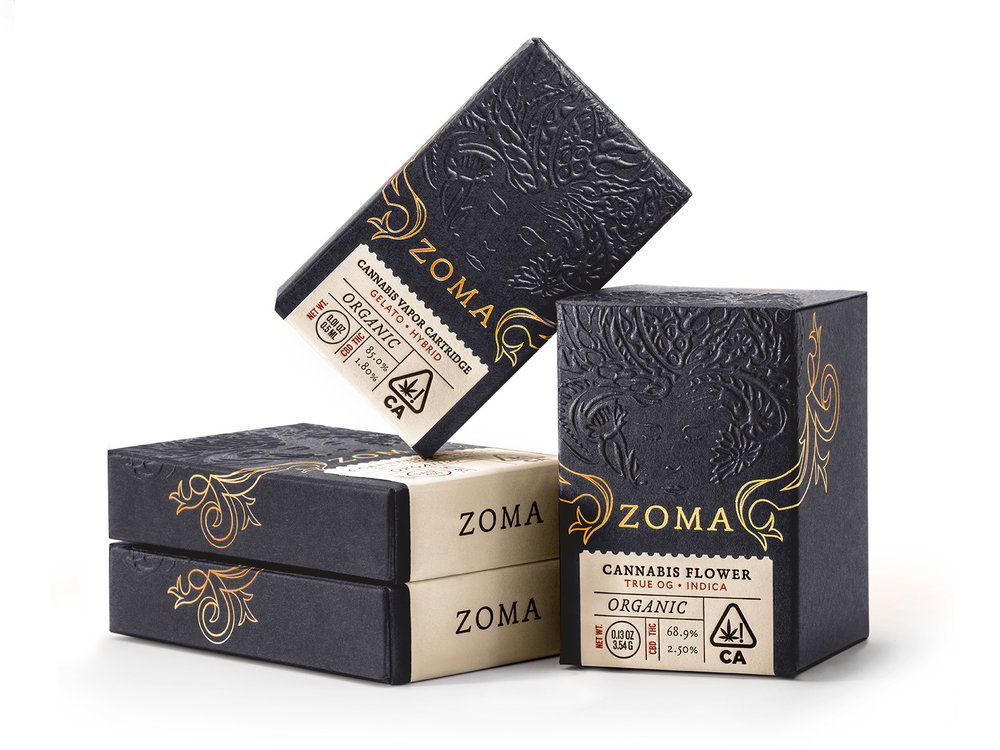
Resize your weed art without losing quality
Resizing cannabis branding assets to 420 pixels requires a balance between precision and visual fidelity. Trippy, detailed artwork often relies on intricate gradients and sharp edges that can blur or pixelate if compressed incorrectly. To maintain the integrity of your design, you need to follow a specific workflow that prioritizes vector-based scaling or high-quality interpolation before final export.

Start by importing your high-resolution master file into a dedicated image editor or a trusted online resizer like Watermarkly or Simple Image Resizer. Ensure your original artwork is in a lossless format such as PNG or PSD to preserve all details before any compression occurs. Avoid using heavily compressed JPEGs as source files, as they will amplify artifacts during the resizing process.
Locate the canvas or image size settings and input 420 for the width. Lock the aspect ratio chain link to ensure the height adjusts proportionally, preventing your artwork from looking stretched or squashed. If your branding guidelines require a specific 420x420 square format, you may need to crop the image carefully before resizing to maintain the composition.
When reducing or increasing pixel dimensions, the software must guess the missing or extra pixels. Select "Bicubic Sharper" for reductions or "Preserve Details 2.0" for slight enlargements. This step is critical for trippy, psychedelic designs where smooth gradients and fine lines define the aesthetic; standard nearest-neighbor scaling will result in jagged, unprofessional edges.
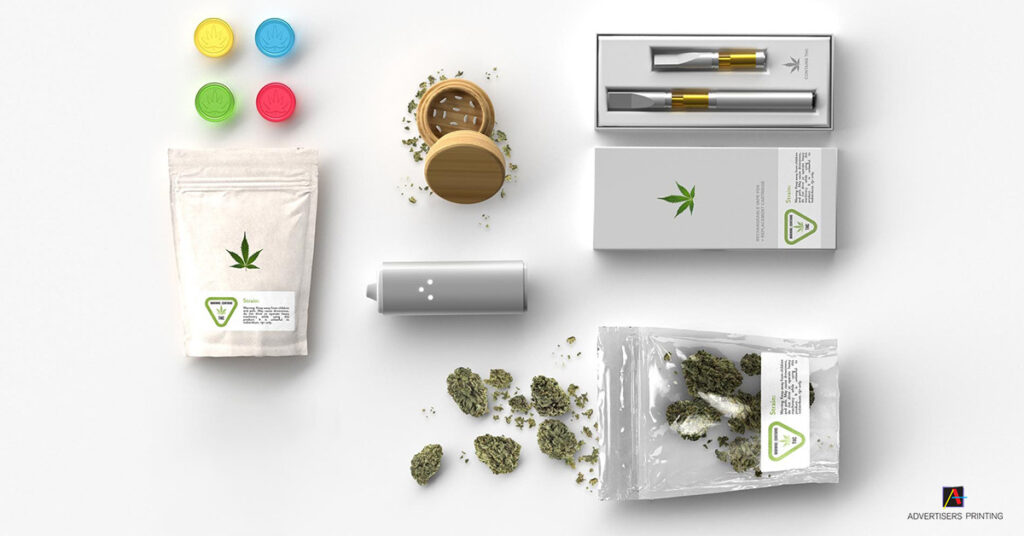
Save your resized file in the appropriate format for web use, typically WebP or high-quality PNG. Open the file at 100% zoom level to inspect the 420-pixel dimensions closely. Check that no important logo elements or text have been cut off by the new aspect ratio and that the color vibrancy remains consistent with your brand guidelines.
Choose the right format for your 420 pixel design
Picking the correct file format is the final step in preparing your 420 pixel cannabis branding assets. The goal is to balance visual fidelity with file size, ensuring your logo or artwork looks sharp without slowing down your website or social media feeds. While the pixel dimensions are fixed, the container you put them in determines how the image behaves across different platforms.
PNG for crisp logos and complex art
Portable Network Graphics (PNG) is the default choice for most cannabis branding elements that require transparency or sharp edges. Because PNG uses lossless compression, it preserves the crisp lines of your weed logo and the intricate details of trippy, psychedelic artwork. If your design has a transparent background to overlay on different colored headers or packaging, PNG is the only reliable option among the main web formats. It ensures that your 420 pixel asset remains clean and professional, avoiding the blurry artifacts that can ruin a brand’s aesthetic.
JPEG for photographs and gradients
Joint Photographic Experts Group (JPEG) files are better suited for photographic elements within your branding, such as product shots or nature-inspired backgrounds. JPEG uses lossy compression, which significantly reduces file size by discarding some data. This makes it ideal for images with complex color gradients or subtle shading that PNG would bloat unnecessarily. However, JPEG does not support transparency, so it is not suitable for logos that need to sit on top of other design elements. Use JPEG when you need to save bandwidth while maintaining acceptable visual quality for photos.
SVG for scalable vector icons
Scalable Vector Graphics (SVG) are not raster images like PNG or JPEG; they are code-based vectors that scale infinitely without losing quality. For small 420 pixel icons, social media profile pictures, or simple geometric logos, SVG is often the best technical choice. It ensures your brand looks crisp on any screen resolution, from mobile phones to large monitors. However, SVG is generally not suitable for complex, detailed illustrations or photographs because the file size can become massive and the rendering can be inconsistent across different browsers. Reserve SVG for simple, clean brand marks rather than full artistic compositions.
Check your designs before publishing
Before you upload your 420-pixel images for cannabis branding, run them through a final quality check. A single pixel error or compression artifact can make a professional brand look amateurish. Treat this 420px asset as the final handshake between your creative vision and the customer's screen.
Use this checklist to ensure your 420px images meet technical and branding standards:
-
Verify the width is exactly 420 pixels; check height for aspect ratio integrity
-
Confirm file format is JPG, PNG, or WebP as required by your platform
-
Check that logos and text remain legible at this small scale
-
Ensure colors match your brand guidelines without banding or artifacts
-
Validate file size is under platform limits (usually under 5MB)
Common questions about 420 pixel sizes
When designing for cannabis branding, getting the 420 pixel dimension right ensures your visuals load quickly and look sharp. Here are answers to frequent questions about pixel dimensions and resolutions.
These dimensions help you avoid awkward cropping. Always verify the final 420 pixel width against your target platform’s guidelines before publishing.
No comments yet. Be the first to share your thoughts!