

Start with the 420 pixels canvas
The 420 pixels constraint is not just a technical setting; it is the foundation of your weed t-shirt and packaging design. This specific dimension acts as a creative challenge, forcing you to distill complex trippy weed art into a compact, impactful visual. By working within this square boundary, you ensure that your design remains sharp and recognizable, whether it appears on a small apparel tag or a larger package label.
Think of this canvas as a tight frame for your creativity. Unlike larger formats where details can get lost, the 420x420 pixel space demands precision. Every line, curve, and color choice must serve a purpose. This limitation encourages bold, graphic styles that pop against fabric or glossy paper, avoiding the clutter that often dilutes the message in larger, unrestricted designs.
Setting up your digital workspace correctly is the first step toward professional results. Ensure your software is configured to this exact pixel count before you begin sketching or vectorizing. This initial setup prevents scaling issues later and guarantees that your final output matches the intended resolution for printing. Starting with the right canvas size saves time and ensures your trippy weed art translates perfectly from screen to product.
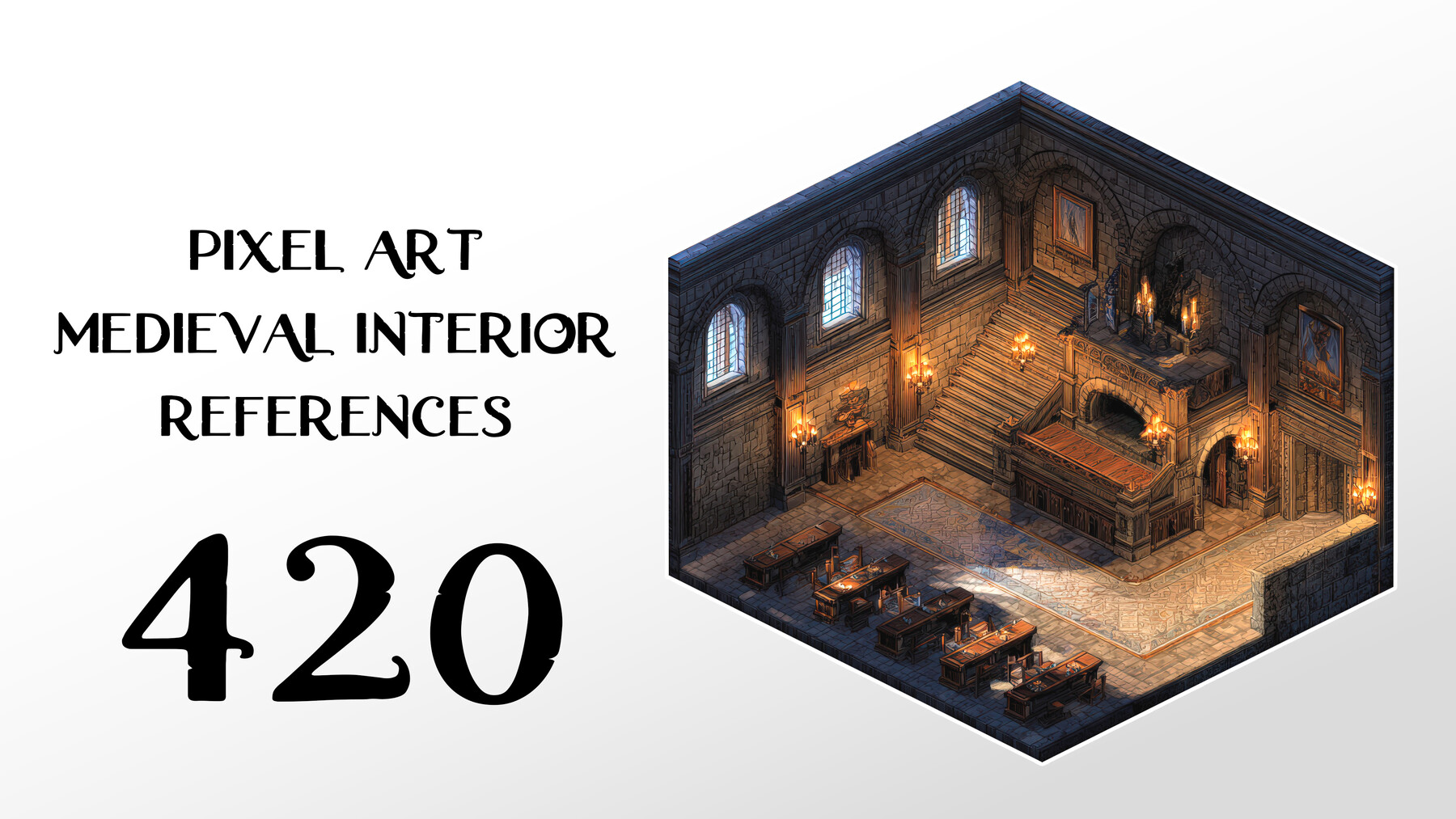
Build the trippy weed logo
Designing a logo for 420 Pixels requires balancing psychedelic detail with strict pixel limits. At this resolution, every pixel counts. A complex design will turn into muddy noise, while a simple one might look boring. The goal is to create a cohesive "trippy weed art" identity that remains recognizable even when scaled down for t-shirts or small packaging labels.
Think of your canvas as a grid of colored tiles. You are not painting; you are placing tiles. The following steps guide you through sketching, detailing, and refining your logo to fit this unique constraint.
Start with a bold, simple silhouette. Avoid thin lines or intricate curves that will disappear at 420 pixels wide. A solid leaf shape, a stylized smoke cloud, or a geometric bud works best. Lock your grid in your design software and draw your main subject using large, blocky strokes. Ensure the shape is centered and fills about 70-80% of the canvas width to leave room for potential text or negative space.
Once the base is set, introduce your "trippy" elements. This is where you add the color and pattern. Use high-contrast colors to make details pop. Instead of gradients, use distinct bands of color or dithering patterns to simulate shading. Add swirling smoke lines, geometric eyes, or fractal patterns inside the main shape. Keep these details thick enough to be seen; if a line is one pixel wide, it might get lost during printing or scaling.
Zoom in to 400% or more. Look for "jaggies" or uneven edges where pixels create a stair-step effect that looks unintentional. Smooth out the curves by adjusting individual pixels to create a more deliberate, crisp outline. Ensure there are no stray single pixels floating outside your main shape. Your final logo should look sharp and intentional, not like a low-resolution accident.
Scale art for t-shirt prints
Expanding a 420 pixels base design for t-shirt prints requires more than just stretching the file. If you simply enlarge the pixels, your trippy weed art loses its crispness and turns into a blurry mess. The goal is to maintain the intentional pixel integrity while making the image large enough to stand out on fabric.
Start by setting up your canvas with the correct physical dimensions. A standard adult t-shirt front print area is roughly 12x16 inches. Set your software to 300 DPI (dots per inch) for this canvas. This ensures the printer has enough data to render sharp edges. Your 420-pixel width will now sit on a canvas that is 3600 pixels wide (12 inches x 300 DPI).
Create a new document sized for your target print area. For a standard front chest print, use 12x16 inches at 300 DPI. This creates a high-resolution workspace that preserves detail when you place your smaller 420-pixel art into it.
Import your original 420-pixel design. Scale it up to fit your desired visual weight on the shirt. Because you are scaling from a small base, use "Preserve Details 2.0" or similar AI-enhanced upscaling tools if available. This helps reconstruct missing pixel data without introducing unwanted blur.
Zoom in to 100% or 200% to inspect the edges of your scaled art. Look for jagged artifacts or smearing. If the trippy details look muddy, use a sharpening filter selectively on the edges. Avoid global sharpening, which can make the background noise grainy and distract from the main design.
The 420 pixels constraint is your starting point, not your limit. By treating it as a vector-like source and scaling within a high-DPI canvas, you keep the retro aesthetic intact. This method ensures the final print looks intentional and professional, rather than like a low-resolution screenshot stretched too far.
Format 420 Pixels for Packaging
Digital 420-pixel art is compact, but packaging demands physical permanence. A label on a box or a sticker on a jar requires higher resolution than a social media post. If you print a 420-pixel image directly, the pixels become visible as jagged edges or blurry blocks, ruining the trippy weed art aesthetic.
To fix this, you must resample the artwork for print resolution. This process adds data points to smooth out the curves and details. You also need to convert the color mode from screen-based RGB to print-based CMYK. This ensures the vibrant neon greens and deep purples translate correctly to ink rather than glowing on a backlit display.
Digital vs. Print Specs
The gap between screen and print is significant. Use this comparison to prepare your 420-pixel base for physical production.
| Specification | Digital (Screen) | Print (Packaging) | Required Action |
|---|---|---|---|
| Resolution | 72-96 DPI | 300 DPI | Upscale canvas size |
| Color Mode | RGB | CMYK | Convert color profile |
| Dimensions | 420 x 420 px | Actual size in inches | Define physical output |
| Bleed Area | None | 0.125 inches | Add safety margins |
| File Format | PNG/JPG | PDF/EPS | Export vector or high-res raster |
Adjusting Resolution and Bleed
Start by opening your 420-pixel design in your editing software. Change the image resolution to 300 DPI. Note that this does not change the pixel count; it changes how the printer interprets the density. To make the image physically large enough for a label without losing quality, you must increase the canvas dimensions while maintaining the 300 DPI target.
Next, add a bleed area. This is a small margin of extra artwork outside the final cut line. It prevents white edges from appearing if the cutting machine shifts slightly. For most small packaging, a 0.125-inch bleed on all sides is standard. Ensure your 420-pixel design elements stay within the "safe zone" to avoid being trimmed off.
Color Mode Conversion
RGB colors are created with light, while CMYK colors are created with ink. A bright lime green in RGB might print as a muddy olive in CMYK because ink cannot reflect light the way a screen does. Convert your color mode to CMYK early in the process to check for dulling. If colors look flat, adjust the saturation manually to compensate for the ink limitation. This step ensures your trippy weed art remains vivid on the final product.
Fix common pixel distortion
When scaling 420 pixels art for t-shirts or packaging, the most common enemy is pixel distortion. Trippy weed art relies on sharp, distinct edges to create its psychedelic effect. If those edges blur or jaggedly stair-step, the entire design loses its impact. This usually happens when you stretch a small image to fit a large canvas or export at the wrong resolution.
To fix blurriness, always start with a vector source or a high-resolution raster image. If you must scale up, use AI-powered upscalers or manual pixel-perfect tracing in Illustrator. For jagged edges, ensure your anti-aliasing is set correctly for print (300 DPI) versus web (72 DPI). Never rely on automatic stretching tools; they ruin the geometric integrity of pixel art.
Verify your canvas is exactly 420 pixels wide. Any deviation will cause the printer to interpolate, leading to soft, muddy lines that destroy the crisp pixel aesthetic.
When resizing, use "Nearest Neighbor" or "Pixel Perfect" interpolation. This preserves the hard edges of your 420 pixels art, ensuring the trippy details remain sharp and distinct.
Finalize your 420 pixels file
Before sending your trippy weed art to print, lock in the technical details. A design that looks sharp on a screen can turn blurry or pixelated if the file settings don't match the printer's requirements. Treat this final check as your quality control gate.
First, verify the canvas dimensions. Your width must be exactly 420 pixels. If your design is taller, the height is typically 525 pixels to maintain the standard aspect ratio for packaging or small apparel prints. Ensure your color mode is set to CMYK, not RGB, so the neon greens and deep purples translate accurately to ink rather than glowing on a monitor.
Export the file as a high-resolution PNG or PDF. Check the file size; if it's over 5MB, compress it slightly without losing clarity. Open the file at 100% zoom to inspect the edges of your artwork. If any lines look jagged, go back and increase the resolution before finalizing.
-
Canvas width set to 420 pixels
-
Color mode switched to CMYK
-
Exported as PNG or PDF
-
Previewed at 100% zoom for clarity
Common resolution: what to check next
Pixels are the building blocks of your design, and getting the dimensions right ensures your trippy weed art prints sharply on shirts and packaging. When you work with 420 pixels as your width, you are locking in a specific canvas size that balances detail with file efficiency. Below are answers to the most frequent technical questions about pixel dimensions for cannabis-themed graphics.
No comments yet. Be the first to share your thoughts!