

Why 420 Pixels Shoppers Love Trippy Art
The "420 Pixels" community represents a specific intersection of digital design enthusiasts and cannabis culture. This group values art that resonates with the aesthetic of the plant, often favoring vibrant, psychedelic, and pixelated designs that stand out in a crowded market. The term itself plays on the cultural significance of the number 420 while acknowledging the digital nature of modern art consumption and creation.
Trippy weed art has become a staple for this audience because it blends nostalgia with contemporary visual trends. From retro pixel art to modern surrealism, these designs offer a way to express identity through home decor, apparel, and accessories. Shoppers in this niche are looking for pieces that feel authentic to the subculture, avoiding generic stock imagery in favor of unique, artist-driven work.
This appreciation for trippy aesthetics extends beyond just wall art. It influences the design of socks, candles, and even collectible figures like Care Bears. The common thread is a desire for bold, eye-catching visuals that capture the spirit of the culture. As a result, artists and designers who master this style have found a dedicated and engaged following.
10 Trippy Weed Art & Logo Design Trends for 420 Pixels Shoppers
From psychedelic socks to trippy candles, these design trends are redefining the visual language of cannabis culture. We break down the specific aesthetic elements—like neon gradients and retro care bear motifs—that are capturing the attention of 420 Pixels shoppers this year.
-
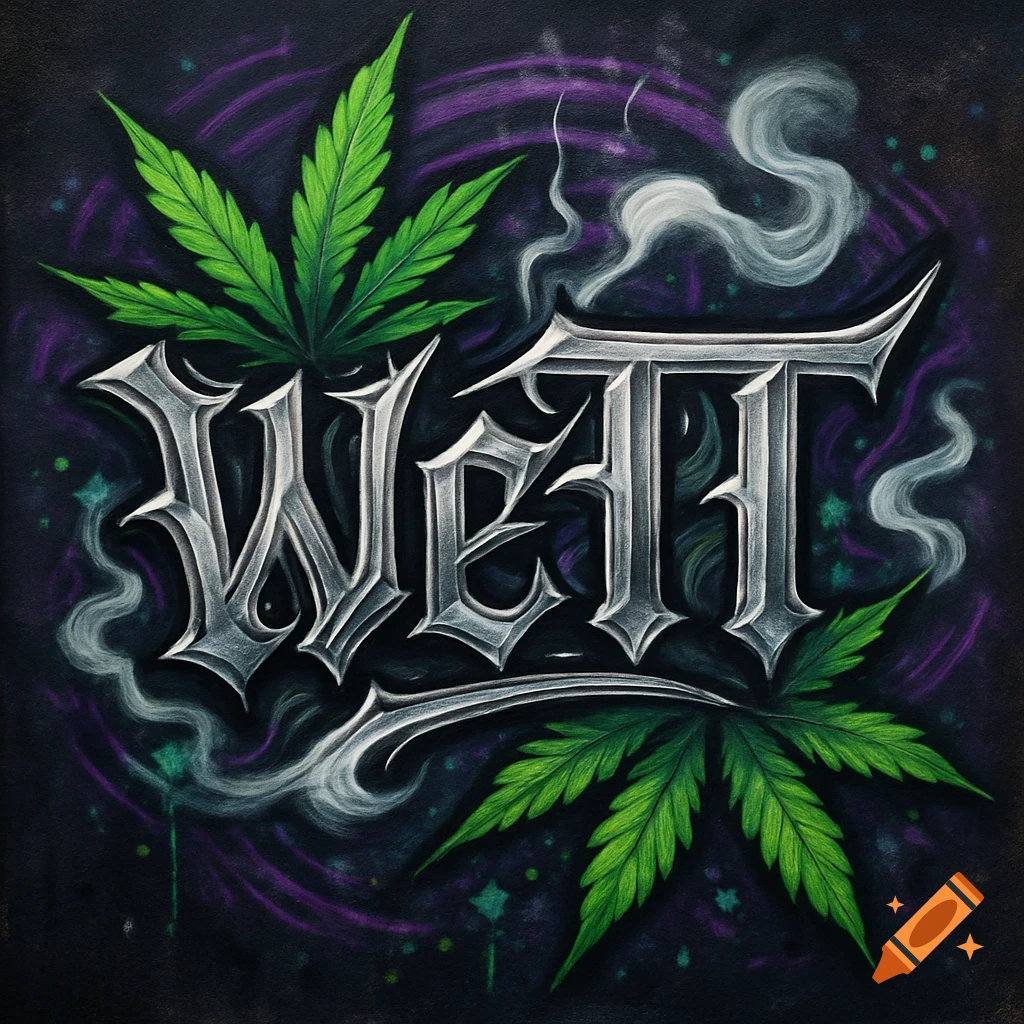
Psychedelic Mushroom Logo Designs
Mushroom motifs anchor trippy branding with intricate, swirling gill patterns that evoke natural hallucinogens. These logos often feature vibrant, saturated hues and organic, flowing lines to create a sense of movement and depth. The design style leans heavily into surrealism, transforming simple fungal shapes into complex, eye-catching emblems that stand out on product packaging and digital interfaces alike. -

Vaporwave Aesthetic Weed Socks
Vaporwave-inspired weed socks blend 80s nostalgia with modern cannabis culture, featuring pastel gradients and glitchy typography. These socks often incorporate Japanese text, classical statues, or retro computer graphics, creating a surreal visual experience. The soft, stretchy fabric ensures comfort, while the bold, dreamlike patterns make them a standout accessory for casual wear or themed parties. -
Glitch Art T-Shirt Graphics
Glitch art t-shirts disrupt traditional cannabis imagery with digital distortion effects, pixel sorting, and chromatic aberration. This trend transforms classic leaf motifs into fragmented, abstract compositions that mimic data corruption. The stark contrast between the recognizable weed symbol and the chaotic, digital noise creates a striking, modern aesthetic that appeals to tech-savvy consumers. -

Neon Glow Packaging Designs
Neon glow packaging utilizes high-contrast, fluorescent colors to create a striking visual impact under various lighting conditions. This design trend often features bold, sans-serif typography and electric hues like hot pink, lime green, and cyan. The packaging is designed to pop on shelves and in photos, leveraging the allure of nightlife aesthetics to attract attention and convey a sense of energy and excitement. -
Retro 70s Weed Logo Revivals
Retro 70s weed logo revivals draw inspiration from the era’s bold, hand-drawn typography and warm, earthy color palettes. These designs often feature groovy, curved fonts and intricate, mandala-like patterns that evoke a sense of nostalgia and counterculture spirit. The vintage aesthetic is updated with modern printing techniques, ensuring crisp details and vibrant colors that resonate with both older and younger audiences. -
Cosmic Space Weed Candles
These candles transform standard wax into celestial canvases, featuring swirling nebula patterns and starry night skies that evoke deep space exploration. The visual experience mirrors the calming ambiance of a quiet observatory, making them perfect for relaxation routines. Shoppers appreciate the unique aesthetic that blends botanical ingredients with cosmic artistry, creating a focal point for any living room shelf without relying on traditional floral motifs. -
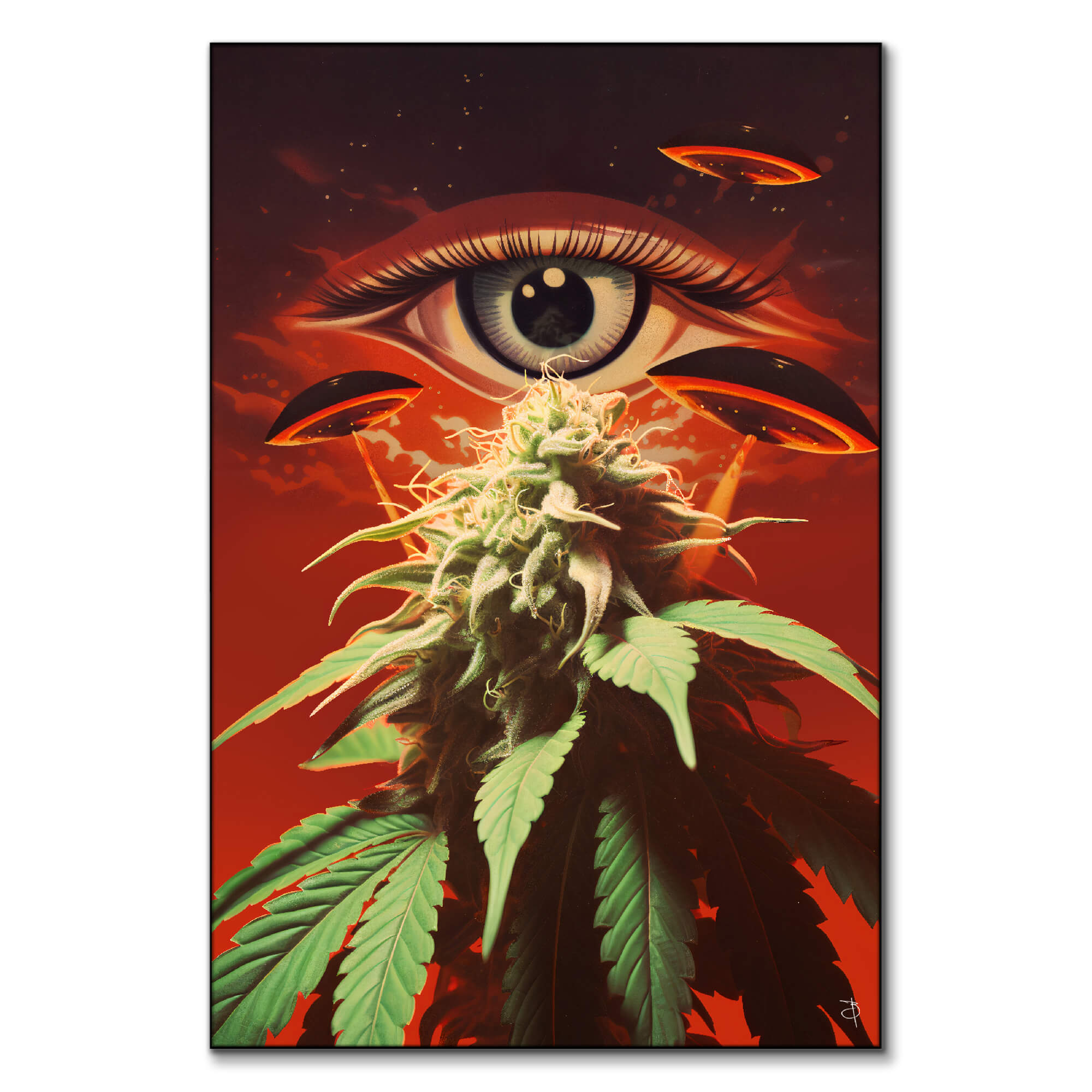
Trippy Care Bear Cannabis Designs
Nostalgic 80s icons get a psychedelic makeover, merging childhood comfort with contemporary cannabis culture. These designs feature soft, rounded characters surrounded by swirling rainbows and glittering stars, appealing to fans of retro pop art. The contrast between innocent imagery and adult themes creates a playful, ironic vibe that stands out in a crowded market, offering a whimsical alternative to traditional leaf logos. -

Abstract Liquid Weed Art
Fluid dynamics meet botanical themes in this trend, where cannabis leaves appear to melt or flow like colorful paint. The designs utilize vibrant gradients and organic shapes to simulate movement, creating a sense of depth and texture. This approach appeals to collectors who appreciate fine art aesthetics, turning functional products into conversation pieces that highlight the beauty of natural forms through a modern, abstract lens. -

Pixelated Cannabis Pixel Art
Retro gaming nostalgia fuels this sharp, blocky aesthetic, where cannabis leaves are reconstructed from tiny, distinct squares. The low-resolution style evokes classic arcade games, appealing to gamers and digital natives who value pixel-perfect precision. This trend offers a clean, geometric look that translates well to digital screens and merchandise, providing a crisp, modern interpretation of the plant through the lens of vintage video game graphics. -
Surreal Eye and Iris Logos
Human eyes with cannabis-themed irises create a hypnotic, introspective brand identity that suggests heightened awareness. These logos often feature intricate details within the pupil, blending botanical elements with anatomical precision. The result is a striking, memorable symbol that conveys clarity and vision, appealing to brands that want to project sophistication and a deep connection to the mindful aspects of cannabis culture.
How to Choose the Right 420 Pixels Merch
Selecting high-quality trippy weed art merchandise requires more than just liking the design. You need to verify that the digital file meets the strict 420x525 pixel resolution standard before it hits physical goods like socks or candles. A blurry print ruins a psychedelic aesthetic, so checking the pixel density is your first line of defense.
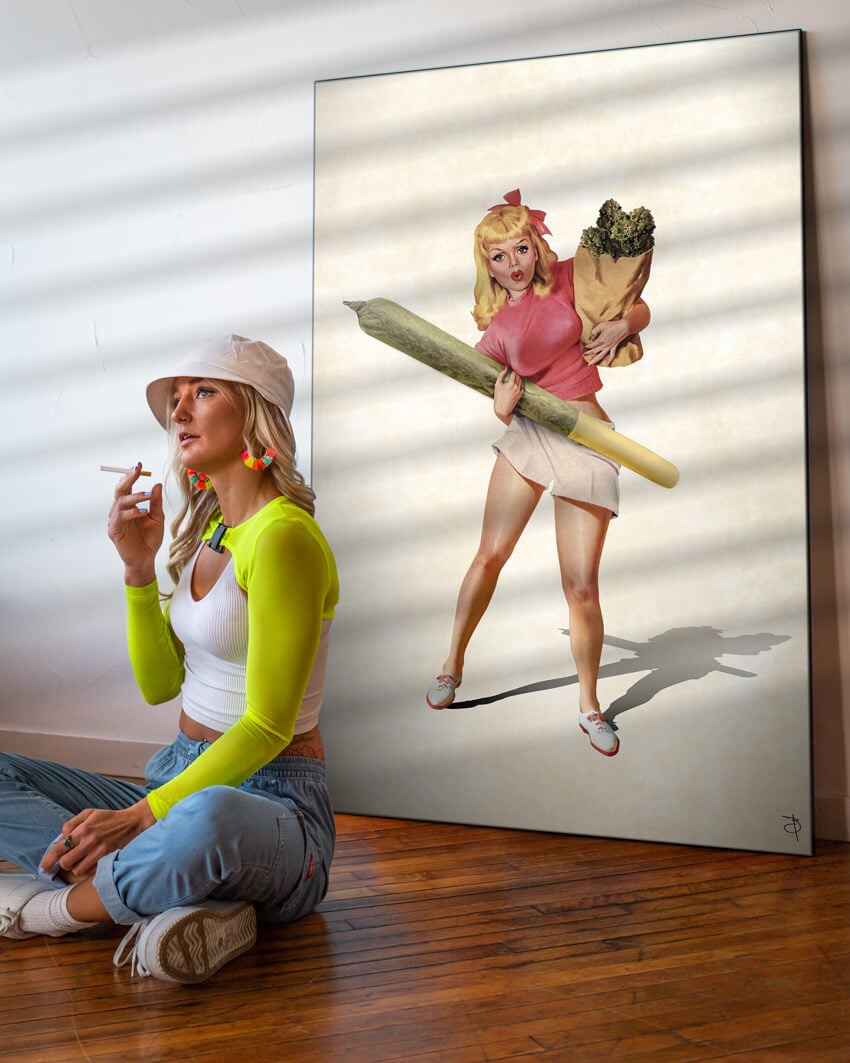
Ensure the product description or preview image explicitly mentions 420x525 pixels. This specific aspect ratio (4:5) is critical for trippy art to avoid stretching or pixelation on apparel and home decor. If the source is unclear, assume the print quality may be compromised.
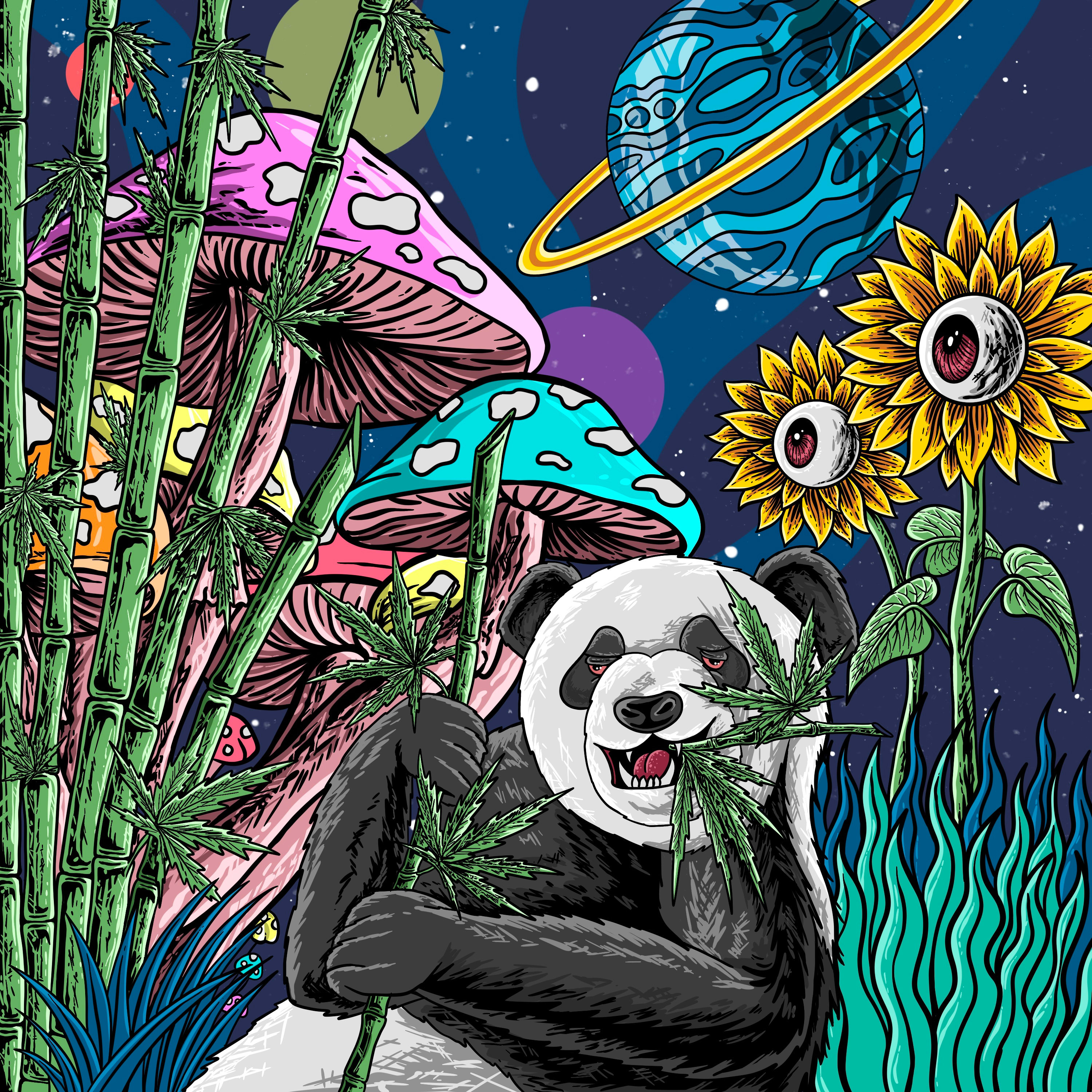
Trippy designs pop differently on various fabrics. Look for items like premium cotton socks or thick cotton-blend candles where the ink adheres well. Avoid thin, cheap materials that might bleed the intricate details of psychedelic patterns, turning sharp lines into muddy blobs.
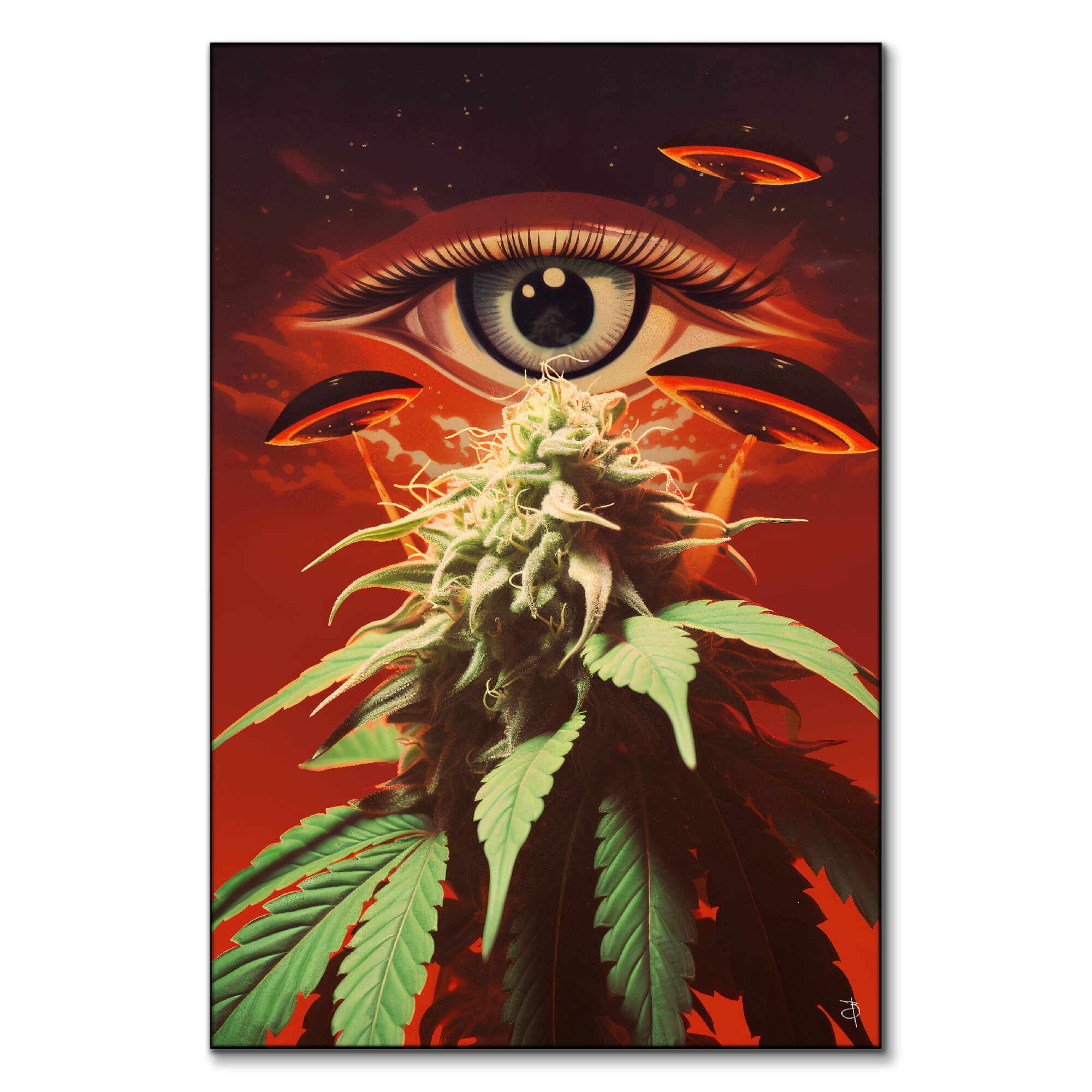
High-quality prints use vibrant, saturated inks to capture the neon and earth tones typical of 420 pixels art. Compare the product photo against the original digital artwork. If the colors look washed out or dull in the listing, the final product will likely lack the "trippy" energy you want.
A quick visual inspection of the product listing can save you from a disappointing purchase. Look for clear, close-up shots of the design on the actual item. If the seller provides a zoomed-in view of the print texture, it’s a good sign they care about quality control. Skip items with only generic, low-res thumbnails.
| Feature | Quality Check | Red Flag |
|---|---|---|
| Resolution | Explicit 420x525px mention | No specs or vague "HD" claims |
| Material | Thick cotton or ceramic | Thin polyester or flimsy plastic |
| Color | Vibrant, saturated inks | Washed out or muted tones |
Frequently Asked Questions About Trippy Weed Art
What does "420 Pixels" refer to in art?
In the context of 420 Pixels merch, "pixels" refers to the digital resolution of the artwork rather than a specific physical measurement. The brand uses this terminology to highlight the digital-first nature of trippy, psychedelic designs found on products like socks, candles, and Care Bear-inspired apparel. The art is optimized for screen viewing before being printed onto physical goods, ensuring the vibrant colors and intricate details remain sharp.
How do I choose the right trippy weed art style?
Selecting a style depends on your personal aesthetic preference within the psychedelic genre. Common trends include neon line art, fractal patterns, and retro 70s-inspired groovy designs. When shopping for items like socks or home decor, look for pieces that balance complex visual noise with clear focal points. This ensures the design stands out without becoming overwhelming when viewed in person, whether on a wearable item or a wall decoration.
Is trippy weed art only for cannabis culture?
While the themes often overlap with cannabis culture, the art style appeals to a broader audience interested in psychedelic and surreal aesthetics. Many shoppers purchase these designs for their visual impact rather than their specific cultural references. The bold colors and mind-bending patterns are popular in general streetwear, home decor, and art collections, making them versatile choices for anyone who enjoys expressive, unconventional design.
No comments yet. Be the first to share your thoughts!