

Missouri’s rules for staying compliant
You have to follow the rules if you want to stay in business. The Missouri Department of Health & Senior Services released a guide in April 2025 that sets the ground rules for what your bags can actually look like.
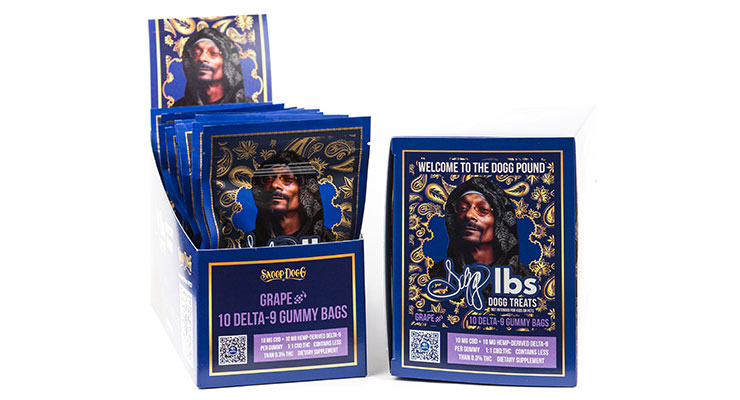
A core principle is protecting public health, and a significant part of that is preventing accidental ingestion by children. The guide explicitly prohibits packaging that is attractive to children, which includes designs that resemble commercially available candies, snacks, or toys. Shapes and colors are scrutinized – anything mimicking familiar children’s products is a no-go. This is a pretty strict interpretation.
The guide also addresses false or misleading claims. Packaging must accurately represent the product’s contents and potency. Designs that could be interpreted as promoting excessive use are also prohibited. There’s a specific section dedicated to prohibited designs and shapes, focusing on avoiding anything that could be considered a commercial likeness of a brand already popular with children.
This creates a challenge for designers. They need to create eye-catching, brand-distinctive packaging that doesn’t inadvertently violate these rules. It requires a careful balance of creativity and compliance. It's a tightrope walk, frankly, and staying up-to-date with evolving regulations is essential.
Using AI as a creative tool
Artificial intelligence is rapidly changing the design world, and cannabis packaging is no exception. Tools like Midjourney, DALL-E 3, and Stable Diffusion are allowing designers – and even brands themselves – to generate unique and visually striking imagery with relative ease. The speed and cost-effectiveness are major advantages.
AI handles the weird stuff well. If you want hyper-detailed, trippy visuals that would take a human illustrator weeks to hand-draw, a generator can spit out a starting point in seconds. It lets smaller brands play with high-concept art that used to be too expensive to commission.
However, there are drawbacks. Generating the right image requires careful prompting and iterative refinement. It's not simply a matter of typing a few words and getting a perfect result. There are also ethical concerns around copyright, particularly regarding the datasets used to train these AI models. And, of course, there are questions about the legal implications of using AI-generated art for commercial purposes – I’m not sure about this one, and it's something brands need to investigate thoroughly.
Quality control is also critical. AI-generated images can sometimes contain artifacts or inconsistencies. Human oversight is essential to ensure the final design meets brand standards and, crucially, complies with regulations. It's a powerful tool, but it needs to be used responsibly.
- Midjourney is the go-to for surreal, artistic textures.
- DALL-E 3 works inside ChatGPT and is better at following specific instructions for text or layout.
- Stable Diffusion is open-source, which is great if you want total control over the local installation and privacy.
The return of psychedelic art
Expect to see a strong resurgence of psychedelic-inspired art in cannabis packaging in 2026. This isn’t a new concept – the connection between cannabis and altered states of consciousness has been present for decades – but it’s being reinterpreted for a modern audience. It’s a natural fit, really.
This trend manifests in swirling patterns, vibrant colors, and surreal imagery. Think kaleidoscopic designs, fractal art, and references to vintage psychedelic posters. Color palettes often lean towards bold, saturated hues – oranges, purples, and greens are particularly common. Typography tends to be flowing and organic, echoing the visuals.
Brands like Cosmic Dust (fictional example) are already successfully employing this aesthetic, utilizing swirling galaxies and nebula-inspired designs to convey a sense of exploration and altered perception. The key is to execute it with sophistication, avoiding clichés and ensuring it doesn’t appear childish or unprofessional.
Minimalism for the luxury market
In contrast to the psychedelic trend, we’re also seeing a rise in minimalist, luxury packaging. This approach appeals to a different demographic – consumers who prefer a more discreet and refined experience. It’s a direct response to the lingering stigma around cannabis.
This trend emphasizes premium materials, subtle branding, and elegant typography. Think matte finishes, embossed logos, and muted color palettes – blacks, whites, and grays are particularly popular. The focus is on quality and craftsmanship, conveying a sense of sophistication and exclusivity. It’s about signaling that this isn’t your average cannabis product.
Brands targeting a more discerning consumer are embracing this aesthetic. It's a signal that they are a premium product, and are willing to invest in the experience.
Telling stories with custom illustrations
More and more cannabis brands are using original illustrations to tell their story on packaging. This allows them to connect with consumers on a deeper emotional level, conveying their values, heritage, or the unique qualities of their product. It’s a way to build brand identity and foster loyalty.
These illustrations can range from intricate botanical drawings to whimsical character designs. The key is to create something unique and memorable that reflects the brand’s personality. It’s about moving beyond generic stock imagery and creating a visual narrative that resonates with consumers.
I think this is an area where AI art can be particularly valuable. It allows brands to commission customized illustrations that perfectly capture their vision, without the cost and time associated with traditional illustration. It also opens up opportunities for experimentation and iteration.
For example, a brand focused on sustainable practices might use illustrations depicting lush landscapes and healthy plants to convey their commitment to environmental responsibility. It's about visual communication that goes beyond simply stating facts.
Keeping AI art legal and safe
When using AI-generated art for cannabis packaging, it’s crucial to revisit the Missouri packaging guidelines – and the regulations in any other state where the product will be sold. The prohibition on imagery appealing to children is particularly relevant. AI can generate incredibly realistic images, and it’s easy to inadvertently create something that resembles a popular snack or character.
Careful prompting is essential. Avoid keywords that might trigger the generation of inappropriate imagery. It’s also important to review the generated images thoroughly, looking for any potential violations of the regulations. Human oversight is non-negotiable.
It’s important to note that regulations vary by state, and the legal landscape is constantly evolving. What’s permissible in Missouri might not be permissible in California, for example. Brands need to stay informed and consult with legal counsel to ensure compliance. It’s a complex area, and erring on the side of caution is always the best approach.
Beyond the Box: Packaging as Experience
Cannabis packaging is evolving beyond simply containing the product. Brands are increasingly using innovative packaging formats to enhance the consumer experience. This includes custom boxes with unique opening mechanisms, tamper-evident seals that provide an added layer of security, and interactive elements like QR codes that link to educational content or exclusive offers.
Sustainability is a big deal now. People want compostable pouches and recycled cardboard rather than more plastic waste. Some brands are even experimenting with plantable seed paper labels to stand out.
The goal is to create a memorable unboxing experience that reinforces the brand’s identity and adds value for the consumer. It’s about treating the packaging as an extension of the product itself. This includes the tactile feel of the materials, the visual appeal of the design, and the overall ease of use.
Ultimately, successful cannabis packaging in 2026 will be about more than just aesthetics and compliance. It will be about creating a holistic experience that resonates with consumers, builds brand loyalty, and reflects the evolving values of the industry.
Content is being updated. Check back soon.
No comments yet. Be the first to share your thoughts!