

Cannabis Packaging: Beyond Compliance
Cannabis packaging has undergone a significant transformation. It’s no longer simply about containing a product; it’s a crucial component of brand identity and a key driver of sales. The industry is maturing rapidly, moving away from the early days of basic, functional packaging. Now, dispensaries and brands are recognizing the power of packaging to differentiate themselves in an increasingly competitive market.
The legal landscape continues to evolve, with states implementing stricter regulations around labeling and child resistance. This creates both challenges and opportunities for cannabis businesses. While compliance is non-negotiable, it doesn't have to stifle creativity. Smart brands are finding ways to meet regulatory requirements and create packaging that stands out on the shelf.
We’ve seen a shift toward more sophisticated designs, premium materials, and a focus on the overall consumer experience. Packaging is often the first physical interaction a customer has with a brand, and that first impression is vital. A well-designed package can communicate quality, build trust, and ultimately influence purchasing decisions. It’s about creating a connection with the consumer.
New York's Packaging Rules: A Deep Dive
New York's cannabis regulations prioritize public health and safety, especially regarding child access. Licensees must keep meticulous records proving all retail packaging meets child-resistance standards. This is a legal obligation.
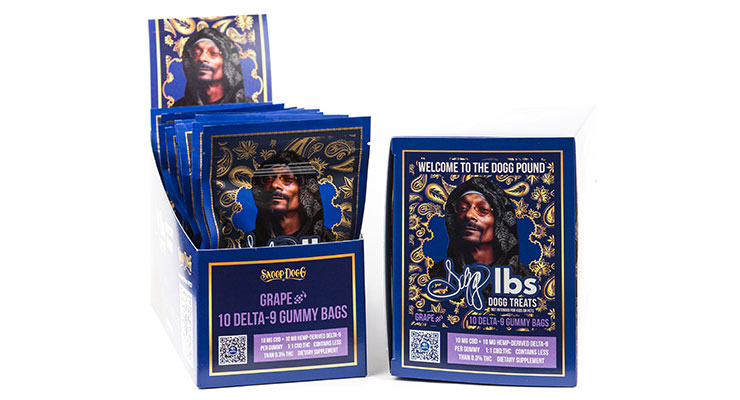
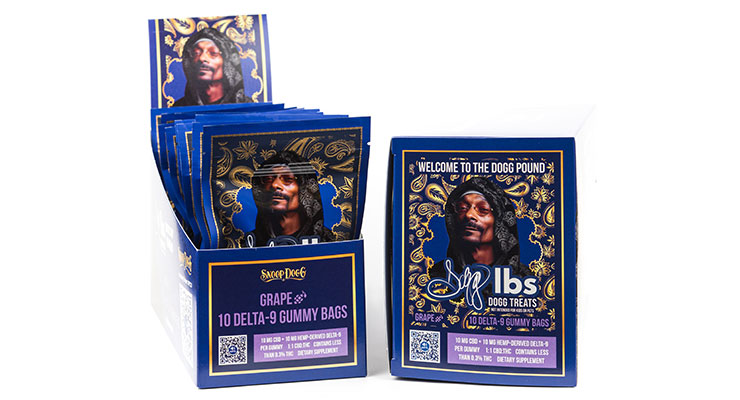
Labeling requirements are extensive. Every package must display specific warnings – notably, “Keep out of reach of children” – prominently. Potency information, including THC content, is mandatory, and must be clearly legible. New York also mandates a digital image or QR code for track-and-trace purposes, allowing regulators to monitor product movement throughout the supply chain.
Prohibited claims are another critical area. Packages cannot make any health claims or imply medicinal benefits that haven’t been approved by the state. Misleading or deceptive marketing is strictly forbidden. Non-compliance can result in significant penalties, including fines, suspension of licenses, and even criminal charges. It’s vital to stay updated on these regulations, as they are subject to change.
Specifically, the label must include the unique symbol assigned to the cannabis product, the net weight or volume of the contents, the date of manufacture, and the name and address of the manufacturer or distributor. Packaging should also prevent tampering and maintain product quality. The state focuses on preventing accidental ingestion by children; packaging must be opaque and not resemble commercially available food or drink products.
Materials Matter: Choosing Your Substrate
Selecting the right packaging material is a balancing act. Mylar bags are a popular choice due to their affordability and ability to protect against light and oxygen, extending shelf life. Glass jars offer a premium feel and are reusable, appealing to environmentally conscious consumers, but they are heavier and more fragile. Tins provide a durable and tamper-evident option, often used for pre-rolls.
Rigid boxes, often made from cardboard or paperboard, offer excellent branding opportunities and can be customized with intricate designs. However, they can be more expensive than other options. Sustainable packaging is gaining traction, with brands exploring materials like hemp plastic, compostable films, and recycled paper. These options appeal to a growing segment of consumers who prioritize environmental responsibility.
Tamper-evident features are essential for ensuring product integrity and building consumer trust. These can include security seals, shrink bands, and unique closures. Cost is a significant factor, but it shouldn’t come at the expense of quality or compliance. It’s important to consider the product’s specific needs – its sensitivity to light, moisture, and oxygen – when making a material selection.
- Mylar Bags: Affordable, protective, lightweight.
- Glass Jars: Premium feel, reusable, fragile.
- Tins: Durable, tamper-evident, good branding potential.
- Rigid Boxes: High-end branding, customizable, more expensive.
- Sustainable Materials: Eco-friendly, appealing to conscious consumers.
Cannabis Packaging Material Comparison - 2026 Considerations
| Material | Cost | Protection Level | Sustainability | Branding Flexibility | Child Resistance |
|---|---|---|---|---|---|
| Glass | High | High | Medium | High | Yes (with appropriate closures) |
| Metal Tins | Medium | Medium | High | Medium-High | Yes (with specific locking mechanisms) |
| Rigid Plastic (PP/PET) | Medium | Medium-High | Low-Medium | Medium | Yes (with child-resistant features) |
| Flexible Plastic (Polyethylene) | Low | Low-Medium | Low | Medium | No (requires additional CR features) |
| Cardboard/Paperboard | Low | Low | High | High | No (requires additional CR features) |
| Compostable Pouches (PLA/PHA) | Medium-High | Low-Medium | High | Medium | No (requires additional CR features) |
| Bio-plastics | High | Medium | Medium | Medium | Yes (dependent on closure) |
Illustrative comparison based on the article research brief. Verify current pricing, limits, and product details in the official docs before relying on it.
Design Trends: 2025 & 2026 Predictions
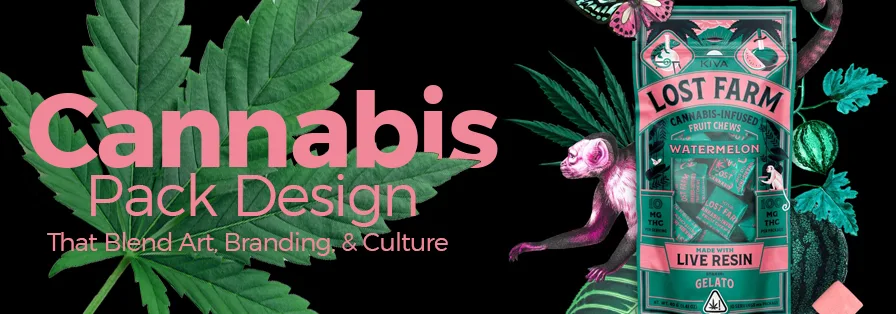
Current design trends favor minimalist aesthetics with clean lines, bold typography, and simplicity. Earth tones and muted colors convey naturalness and sophistication. Illustrative designs, often with botanical elements or abstract patterns, are also rising. Premium finishes like embossing, foil stamping, and soft-touch coatings add a tactile element and perceived value.
Looking ahead to 2025 and 2026, expect a continued emphasis on premiumization. Brands will invest in higher-quality materials and more sophisticated designs to differentiate themselves. We'll likely see more experimentation with unconventional shapes and textures. Brands are realizing packaging is a key opportunity to tell their story and connect with consumers emotionally.
Augmented reality (AR) is an emerging technology that could play a larger role in cannabis packaging. AR-enabled packaging could provide consumers with additional product information, such as origin, cultivation methods, or recommended usage. While still in its early stages, AR has the potential to enhance the consumer experience and build brand loyalty. Lifestyle-focused branding will also become more prominent, positioning cannabis products as part of a broader wellness or self-care routine.
Logo Integration: Brand Identity First
Your logo design is the cornerstone of your brand identity, and its integration into packaging is crucial. The logo should be prominent but not overpowering, consistent with the overall design aesthetic, and reflect brand values. A strong, memorable logo builds recognition and trust with consumers.
Brand consistency is paramount. The logo should appear consistently across all touchpoints – packaging, website, social media, and marketing materials. This creates a cohesive brand experience and reinforces recognition. Avoid different logo variations or color schemes, as this can cause confusion. A well-defined brand style guide is essential for maintaining consistency.
420 Pixels specializes in creating unique and impactful logo designs that capture your brand's essence. We understand the specific challenges and opportunities of the cannabis industry and can help you develop a logo that stands out from the competition. Visit our website at 420pixels.com to explore our portfolio.
Dispensary Branding: Shelf Appeal
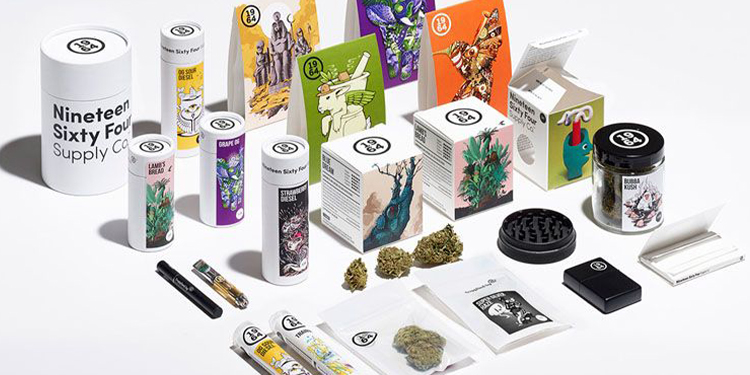
Packaging plays a critical role in dispensary branding and shelf appeal. In a crowded dispensary, your packaging needs to grab attention and communicate your brand’s message instantly. Color psychology is a powerful tool – different colors evoke different emotions and associations. For example, green often conveys naturalness and wellness, while black can suggest sophistication and luxury.
Visual hierarchy is also important. The most important information – the brand name, product type, and potency – should be prominently displayed. Use typography and layout to guide the consumer’s eye. Consider the overall aesthetic of the dispensary and how your packaging will fit in. Packaging should complement the dispensary’s branding and create a cohesive shopping experience.
I suspect dispensary placement significantly influences packaging design. Products placed at eye level tend to receive more attention, so packaging for those items needs to be particularly eye-catching. Understanding the dispensary’s target audience and their preferences is also crucial. What appeals to one demographic may not appeal to another.
Working With Packaging Suppliers
Choosing a reliable packaging supplier is essential for ensuring compliance and maintaining quality. Companies like Custom 420 Supply and Primeline Packaging specialize in cannabis packaging and understand the unique regulatory requirements. Consider factors such as cost, lead times, minimum order quantities, and compliance expertise.
It's crucial to verify that the supplier is familiar with the regulations in your specific state. Regulations can vary significantly from one state to another, so you need a supplier who can provide compliant solutions. Ask for references and check their track record. Effective communication is key – clearly articulate your requirements and expectations from the outset.
Develop a detailed specification sheet outlining your packaging requirements, including dimensions, materials, printing specifications, and labeling requirements. Request samples to evaluate the quality and appearance of the packaging. Don’t be afraid to ask questions and negotiate pricing. Building a strong relationship with your packaging supplier can save you time and money in the long run.
- Cost: Obtain quotes from multiple suppliers.
- Lead Times: Ensure they can meet your production schedule.
- Minimum Order Quantities: Consider your volume requirements.
- Compliance Expertise: Verify their knowledge of state regulations.
- Communication: Establish clear and open communication channels.
Future-Proofing Your Packaging
The cannabis industry is constantly evolving, and packaging regulations are likely to become even more stringent in the future. Smart packaging, incorporating features like NFC tags or QR codes, can provide consumers with verified product information and enhance brand transparency. QR codes are already widely used for track-and-trace purposes, but they can also be used to provide additional information about the product, such as its origin and cultivation methods.
Personalized packaging is another emerging trend. Using variable data printing, brands can customize packaging with individual consumer preferences or loyalty program information. This can enhance the consumer experience and build brand loyalty. Sustainability will continue to be a major focus, with brands exploring innovative materials and packaging designs that minimize environmental impact.
To future-proof your packaging strategy, stay informed about industry trends and regulatory changes. Invest in flexible packaging solutions that can be easily adapted to meet new requirements. Consider the long-term implications of your packaging choices and prioritize sustainability. I have a feeling that innovation in sustainable packaging will be a major differentiator in the years to come.
No comments yet. Be the first to share your thoughts!