

Cannabis packaging is finally growing up
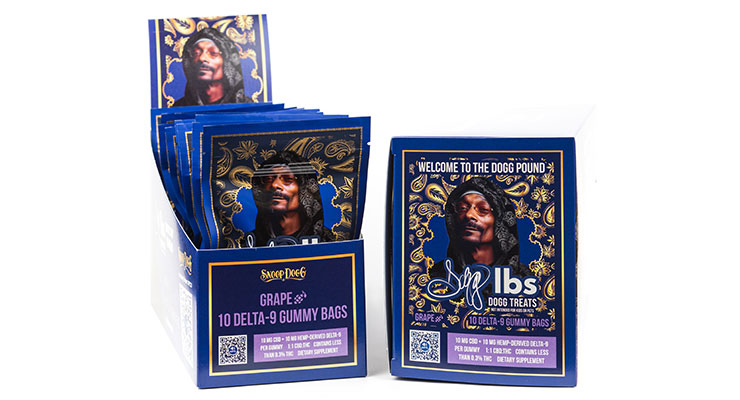
Cannabis packaging used to be ugly. For years, you got your flower in plain, opaque jars that did the bare minimum to stay legal. That's changing. As markets in states like Missouri and New Jersey mature, the bag is often as important as what's inside. People want to feel something when they pick up a jar, and the label is the first chance a brand has to make that happen.
For years, strict regulations surrounding the industry stifled creative expression. Concerns around appealing to minors and clear labeling requirements meant designs were often conservative. But regulations are evolving, and with increased competition, brands need to stand out. The market is becoming incredibly crowded, and simply having a quality product isn’t enough to guarantee success. Differentiation is paramount.
This is where artificial intelligence steps in. AI-generated art offers a solution to the demand for unique and eye-catching packaging designs. It’s not just about automating the design process, though that’s a benefit. AI unlocks possibilities previously unimaginable, allowing brands to create truly distinctive identities and resonate with increasingly sophisticated consumers.
How AI art actually hits the shelf
AI image generation tools, like Midjourney, DALL-E 3, and Stable Diffusion, are rapidly changing the creative landscape, and cannabis packaging is no exception. These tools allow designers – and even brands directly – to create original artwork simply by entering text prompts. The barrier to entry is remarkably low, and the possibilities are vast. You don’t need to be a skilled illustrator to generate stunning visuals.
The math is simple: hiring a high-end illustrator for ten different SKUs is expensive. Using Midjourney to iterate on those same ten concepts takes an afternoon. I've seen brands cycle through fifty color palettes in an hour to see what pops against a black shelf. In a crowded market, that speed is the only way to keep up with how fast consumer tastes shift.
We’re seeing a surge in certain aesthetic trends: trippy, psychedelic art is popular, reflecting the effects of cannabis itself. Nature-inspired designs, featuring intricate botanical illustrations, are also common. Abstract art, generated using AI algorithms, offers a unique and modern look. While concerns about originality and copyright are valid – and we’ll address those later – the speed and versatility of AI art are undeniable. It allows brands to quickly test concepts and iterate on designs in a way that was previously impossible.
these childproof weed packaging designs have gone way too far
— Tori Vega ▓ (℞⏧⏧ ) (@HapaGucci) April 28, 2022
Six visual styles for 2026
Looking ahead to 2026, we anticipate several distinct packaging archetypes will dominate the cannabis market, all heavily influenced by the capabilities of AI art. These aren’t just about aesthetics; they represent broader brand positioning strategies. Here are a few key trends we expect to see.
Psychedelic Explorer: This archetype targets consumers seeking a mind-altering experience. Designs will feature bold colors, swirling patterns, and AI-generated fractal art. Think kaleidoscopic visuals and otherworldly landscapes. The goal is to evoke a sense of adventure and exploration. AI excels at creating these complex and visually arresting images.
Modern Minimalist: For brands targeting a sophisticated and discerning consumer, a minimalist approach is key. This archetype emphasizes clean lines, geometric shapes, and subtle AI-generated textures. Colors will be muted and understated. The focus is on quality and refinement. AI can create subtle, high-resolution textures that add depth without being overwhelming.
Botanical Bliss: This archetype appeals to consumers who appreciate nature and wellness. Designs will feature realistic plant illustrations, earthy tones, and AI-enhanced detail. Think lush foliage, delicate flowers, and organic shapes. AI can generate incredibly detailed botanical illustrations that would be time-consuming and expensive to create manually.
Luxury Indulgence: Targeting a premium market segment, this archetype focuses on opulence and sophistication. Designs will incorporate premium materials, metallic accents, and sophisticated AI artwork. Think embossed logos, gold foil stamping, and elegant typography. AI can create intricate patterns and textures that elevate the overall look and feel.
Retro Revival: Nostalgia is a powerful force. This archetype draws inspiration from vintage designs, reimagined with the help of AI. Think mid-century modern aesthetics, psychedelic posters from the 1960s, and art deco motifs. AI can recreate these styles with a contemporary twist.
Sustainable Sanctuary: Eco-conscious consumers will gravitate towards packaging that reflects their values. This archetype uses natural materials, earthy tones, and AI-generated artwork depicting nature in harmony. Designs will emphasize sustainability and environmental responsibility.
New materials and the waste problem
Consumers increasingly prioritize sustainability, and the cannabis industry is responding. The demand for eco-friendly packaging solutions is growing rapidly. Brands are exploring materials like recycled paperboard, compostable bioplastics (made from cornstarch or sugarcane), and even plantable seed paper, embedded with wildflowers.
AI can play a role in optimizing material usage and reducing waste. Algorithms can analyze packaging designs to identify areas where material can be reduced without compromising structural integrity. This is particularly important when dealing with more expensive sustainable materials. The challenge lies in maintaining child resistance with these alternative materials; some bioplastics, for example, may not offer the same level of security as traditional plastics.
Brands like Sana Packaging are already leading the way, offering compostable packaging solutions specifically designed for the cannabis industry. Others are experimenting with reusable containers and refill programs. This trend isn't just about environmental responsibility; it's about attracting a growing segment of conscious consumers.
The copyright mess
The legal landscape surrounding AI-generated art is still evolving, and copyright ownership is a complex issue. Currently, the US Copyright Office has ruled that AI-generated art without significant human input is not eligible for copyright protection. This means that simply typing a prompt into an AI tool doesn’t automatically grant you ownership of the resulting image.
Potential infringement issues are also a concern. AI models are trained on vast datasets of existing images, and there’s a risk that generated artwork may inadvertently incorporate copyrighted elements. Brands need to be cautious and ensure that their AI-generated designs are sufficiently original. Using AI art responsibly involves careful prompt engineering and thorough review of the generated images.
To mitigate risk, brands should consider obtaining appropriate licenses for the AI tools they use and documenting the creative process. Blockchain-based solutions are also emerging, offering a way to verify the authenticity and ownership of AI-generated designs. This is a rapidly developing area of law, so staying informed is crucial.
Sustainable Packaging Providers
- EcoEnclose - Offers a wide range of 100% recycled, compostable, and biodegradable packaging solutions specifically tailored for the cannabis industry, including boxes, mailers, and films.
- Green Rush Packaging - Specializes in custom cannabis packaging with a focus on sustainability, providing options like recycled cardboard, compostable materials, and child-resistant solutions.
- Pact Collective - Focuses on creating a circular economy for cannabis packaging, offering reusable and returnable packaging systems alongside recycling programs.
- Elevate Packaging - Provides sustainable cannabis packaging options, including child-resistant containers made from recycled materials and compostable pouches.
- Dymapak - Offers a variety of sustainable packaging solutions for cannabis, including compostable and biodegradable options, as well as child-resistant packaging.
- Canopy Packaging - Specializes in custom cannabis packaging with a commitment to sustainability, offering options like recycled content and compostable materials.
- West Coast Packaging - Provides a range of sustainable packaging options for various industries, including cannabis, with a focus on recycled content and responsible sourcing.
What happens next
AI’s potential extends far beyond simply generating artwork. In the future, we can expect to see AI used to create fully personalized packaging experiences. Imagine packaging that changes based on a consumer’s preferences, purchase history, or even their mood. This level of customization could dramatically enhance brand loyalty and engagement.
Augmented reality (AR) integration is another exciting possibility. Consumers could scan packaging with their smartphones to access exclusive content, such as product information, educational videos, or interactive games. AR could also be used to offer personalized rewards or discounts. This creates a dynamic and immersive brand experience.
AI will also play a crucial role in predicting packaging trends and optimizing designs for maximum impact. By analyzing consumer data and market trends, AI algorithms can identify the most effective colors, shapes, and imagery. This data-driven approach will help brands create packaging that resonates with their target audience and drives sales. The future of cannabis packaging isn’t just about aesthetics; it’s about creating a personalized and engaging experience for every consumer.
Content is being updated. Check back soon.
No comments yet. Be the first to share your thoughts!