

The unboxing effect
Cannabis packaging is no longer just about containment and compliance. It’s become a key part of the brand experience, and increasingly, a marketing tool in its own right. Consumers are actively documenting and sharing their unboxing experiences on platforms like TikTok and Instagram, turning the moment of opening a product into a public endorsement—or a source of criticism. This shift means packaging isn't just something to be functional; it’s something to be shared.
Visuals drive how people see your brand. In a crowded market, you have to stand out. But cannabis brands face a wall of rules. The Missouri Department of Health’s April 2025 guide, for example, limits colors and imagery while requiring child-resistant features. Balancing a good look with legal safety is a constant struggle.
This is where artificial intelligence is starting to play a huge role. AI image generation offers a way to navigate these complexities, rapidly prototyping designs that are both eye-catching and compliant. It’s not about replacing designers, but giving them a powerful new tool to explore creative possibilities and accelerate the design process. The speed at which brands can now iterate on concepts is a game-changer.
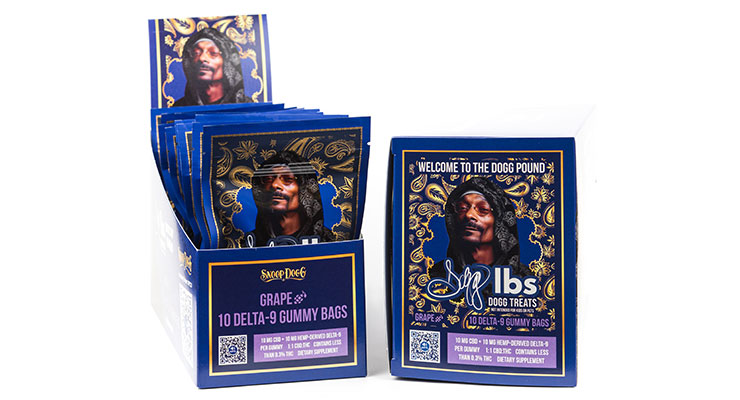
Missouri's regulatory tightrope
The Missouri Department of Health’s April 2025 guide on marijuana packaging is remarkably detailed, and reflects a broader trend of stringent regulations across the cannabis industry. The primary focus, understandably, is on public health and safety—specifically, preventing accidental ingestion by children. This translates into mandatory child-resistant packaging for all products, a significant design constraint.
Beyond child resistance, the regulations also prohibit designs that are likely to appeal to minors. This includes avoiding bright, cartoonish characters, shapes reminiscent of candy or toys, and overly vibrant color palettes. The rules aren’t just about what is allowed, but also what is explicitly forbidden. It’s a restrictive environment, and brands need to be meticulous in their compliance.
A particularly challenging aspect is the clause regarding "commercially similar brands.’ The guide states packaging must not be designed to mimic established brands in other industries (like popular snack foods), or even other cannabis brands. This adds another layer of complexity to differentiation. It"s not enough to just have a unique design; it has to be demonstrably different from everything else on the shelf. This is where the ability to rapidly generate novel designs becomes incredibly valuable.
Labeling requirements are also extensive, dictating font sizes, warning statements, and the inclusion of specific information about THC and CBD content. Failing to meet these standards can result in hefty fines and product recalls, so careful attention to detail is non-negotiable. The regulations are comprehensive, and demand a deep understanding of their nuances.
@animatedmfers Ever made any weed packaging designs ?
— VACUUMSEAL 🔥💨💨💨💰 (@Biz4eZ) January 23, 2024
Solving the design bottleneck
Tools like Midjourney and DALL-E 3 change how we handle graphic design. Brands now create original art from text prompts. This makes high-end visuals accessible for companies that couldn't afford a full design agency in the past.
The key benefit is speed. What used to take days or weeks with a traditional designer can now be accomplished in hours using AI. Brands can rapidly prototype different concepts, explore a wider range of aesthetics, and iterate on designs based on feedback. This agility is particularly valuable in a fast-moving market where trends change quickly.
AI also democratizes design. Smaller brands with limited budgets can now access high-quality artwork that would have been out of reach before. While mastering the art of prompt engineering – crafting effective text prompts to guide the AI – has a learning curve, the potential return on investment is significant. It's also worth acknowledging that the initial results often require refinement by a skilled designer to achieve a polished, professional look.
Aesthetic trends for 2026
Looking ahead to 2026, several aesthetic trends are emerging in cannabis packaging, many of them heavily influenced by the capabilities of AI art generation. These aren’t just random styles; they represent a shift in how brands are positioning themselves and appealing to consumers.
One prominent trend is a Psychedelic Revival. AI is being used to generate complex, swirling patterns reminiscent of 1960s psychedelia, but with a modern, refined aesthetic. Think flowing colors, intricate geometries, and dreamlike imagery. Brands like Sonder are already leaning into this vibe, though not necessarily using AI-generated art yet.
Another growing trend is Abstract Botanical. Instead of literal depictions of cannabis leaves, we’re seeing more abstract representations of plant life—organic shapes, flowing lines, and subtle textures that evoke the natural world. This approach feels more sophisticated and less cliché. Several smaller brands in California are experimenting with this style.
Geometric Minimalism is also gaining traction. Clean lines, bold colors, and AI-generated geometric patterns create a striking visual impact. This style often conveys a sense of modernity and precision. Brands focusing on specific cannabinoid profiles, like Delta-8, are particularly drawn to this aesthetic.
A more unexpected trend is 'Dark Academia'. Inspired by vintage libraries and scholarly pursuits, this style features sophisticated color palettes, intricate textures, and a focus on detail. It appeals to a more mature and discerning consumer. This is a newer trend, but I'm seeing a few smaller brands testing the waters.
Finally, Biomorphic Forms, AI is being utilized to create organic, flowing shapes inspired by nature—think cellular structures, microscopic patterns, and undulating forms. This style feels both futuristic and deeply rooted in the natural world. It’s a complex aesthetic that requires skillful execution.
Functional AI applications
AI’s impact on cannabis packaging extends far beyond just the artwork. It’s also being used to optimize the functional aspects of design. For example, AI algorithms can analyze shelf layouts and consumer behavior to suggest packaging shapes that maximize visibility and grab attention. This is about understanding how packaging performs in a real-world retail environment.
AI can also generate multiple variations of a design for A/B testing, allowing brands to quickly identify which elements resonate most with their target audience. This data-driven approach to design is a significant advantage. Furthermore, AI is being explored for its ability to suggest sustainable material choices, helping brands reduce their environmental impact.
Tools are emerging that allow brands to create realistic mockups of their packaging and visualize it in different retail settings. This helps them assess the overall impact of their design and make informed decisions before committing to production. It's a holistic approach to packaging design, leveraging AI to improve every aspect of the process.
Logo design and identity
Creating a memorable and legally compliant logo is a critical step in cannabis branding, but it’s also a challenging one. Regulations limit the use of certain imagery, and the market is becoming increasingly crowded, making it difficult to stand out. AI is helping brands overcome these hurdles by generating a multitude of logo concepts quickly and efficiently.
AI tools can explore a wider range of design styles, color palettes, and typography options than a human designer might consider. This allows brands to discover unexpected and innovative logo concepts. However, it’s crucial to conduct thorough trademark research to ensure the logo is original and doesn’t infringe on existing intellectual property. AI-generated art can sometimes inadvertently resemble existing designs.
We specialize in weed logo designs. AI is a great starting point for brainstorming, but our designers refine those concepts to make sure they actually work for print and pass legal checks. We handle everything from the first sketch to the final files.
AI Integration Checklist
- Brand Foundation - Clearly define your core brand values *before* initiating AI art generation. This ensures designs align with your company’s identity.
- Concept Exploration - Leverage AI tools to generate a diverse range of logo and packaging concepts, exploring various styles and aesthetics.
- Trademark Verification - Conduct comprehensive trademark searches on all potential AI-generated designs to avoid legal conflicts.
- Design Refinement - Human designers should refine the AI-generated concepts, ensuring visual appeal and brand consistency.
- Regulatory Compliance - Ensure all packaging designs, including AI-generated art, adhere to local cannabis regulations regarding imagery and labeling.
- Style Consistency - Maintain a consistent artistic style across all packaging elements, even when utilizing AI for different components.
- Iterative Process - View AI generation as part of an iterative design process, requiring multiple rounds of generation and refinement.
No comments yet. Be the first to share your thoughts!