

Defining the 420 pixel standard
In cannabis e-commerce and social media design, "420 Pixels" refers to a specific digital asset dimension, most commonly a width of 420 pixels paired with a height of 525 pixels. This 4:5 aspect ratio has emerged as a functional standard for product cards, social thumbnails, and brand imagery. It is not merely a cultural nod to the number 420; it is a precise technical specification that ensures visual consistency across platforms where space is at a premium.
The choice of 420 pixels as a width is strategic. It is wide enough to display detailed trippy weed art, intricate label designs, or high-resolution product photography without appearing cramped, yet narrow enough to load quickly on mobile devices. When paired with 525 pixels in height, the image fills the vertical space of social feeds and e-commerce grids effectively, capturing attention without overwhelming the user interface. This specific proportion allows brands to maintain a cohesive visual identity whether the image appears on Instagram, a Shopify storefront, or a digital menu board.
Designers use this standard to create assets that are both aesthetically striking and technically optimized. A 420x525px canvas provides sufficient resolution for sharp, vibrant graphics, which is essential for showcasing the psychedelic patterns and bold colors often associated with cannabis branding. By adhering to this dimension, brands avoid the distortion and pixelation that can occur when images are stretched or compressed to fit non-standard sizes. This consistency builds trust and professionalism, signaling to customers that the brand pays attention to detail.
Using tools that support this exact resolution, such as online photo resizers, helps maintain quality. The goal is to create imagery that stands out in a crowded market while respecting the technical constraints of digital platforms. By standardizing on 420 pixels in width, cannabis brands can streamline their creative workflow and ensure their visual assets perform optimally across all digital touchpoints.
Trippy weed art in digital formats
Psychedelic cannabis branding relies on intricate, flowing patterns and dense color gradients to evoke a specific mood. However, these complex visuals face a strict physical limitation: the 420-pixel standard. When a logo or banner is constrained to this width, the sheer volume of detail that defines the "trippy" aesthetic must be managed carefully. Without optimization, the fine lines that create the illusion of depth and movement simply vanish, leaving a muddy, indistinct shape.
The challenge lies in preserving the soul of the design while shrinking its footprint. A high-resolution source file might contain thousands of tiny curves and overlapping hues, but at 420 pixels wide, those elements compete for the same screen real estate. If the contrast between adjacent colors is too subtle, the eye can no longer distinguish the pattern from a solid block. The design must rely on bold, distinct shapes rather than delicate shading to communicate its message effectively at this scale.
To maintain clarity, designers often simplify the vector paths or increase the stroke weight of the linework. This process, known as down-sampling, requires a deliberate choice about which visual elements are essential. The goal is to ensure that the brand remains recognizable and visually striking even when displayed on smaller screens or as a favicon. The result is a streamlined version of the original art that retains its psychedelic energy without sacrificing legibility.
Weed packaging designs and pixel density
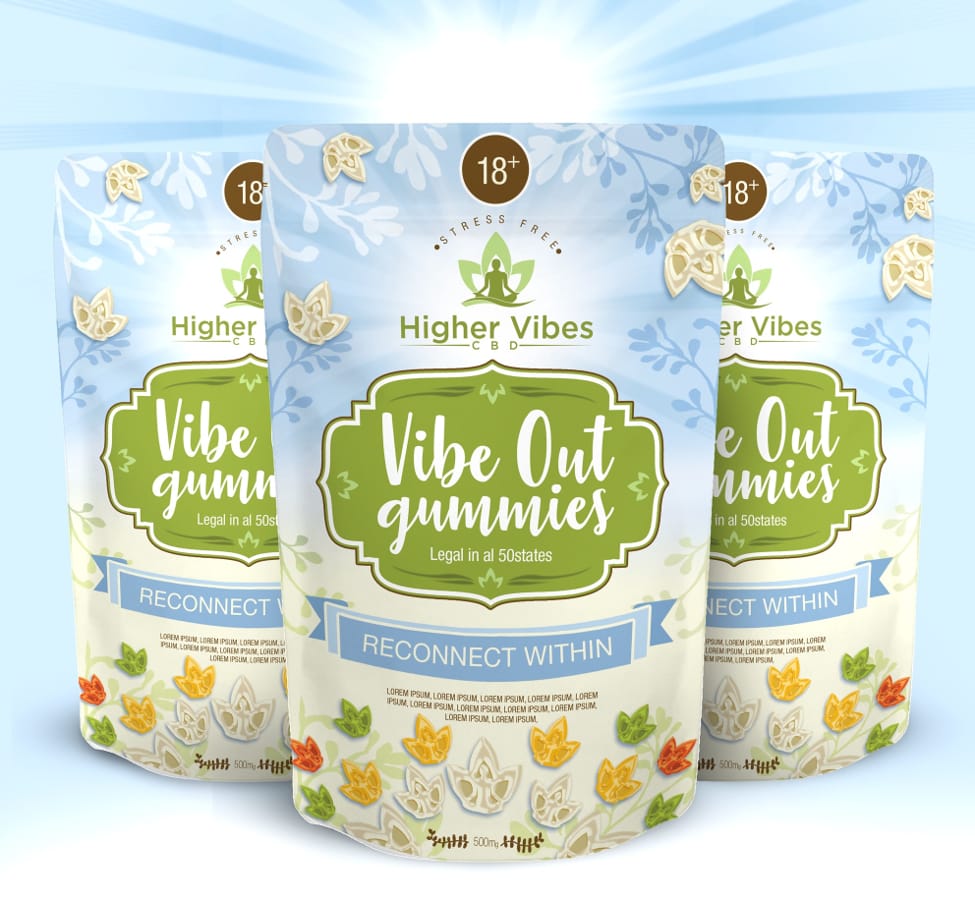
The 420-pixel standard isn't just a digital quirk; it’s the bridge between your screen and the shelf. When designing weed packaging, the pixel density of your digital assets directly dictates the clarity of your physical print. A trippy, psychedelic label that looks crisp at 420 pixels on a smartphone can turn into a muddy blur if the transition to print resolution isn't managed carefully.
Digital previews serve as the blueprint for physical production. Brands often start with vibrant, high-contrast digital art to capture attention in crowded dispensaries. However, the shift from screen pixels to print dots requires a strategic adjustment in density. If you rely solely on low-resolution digital files for high-quality packaging, the intricate details of your weed art will suffer.
To ensure your brand identity survives the transition from digital to physical, you must understand the trade-offs between screen resolution and print fidelity. The table below compares the technical specifications of digital 420px assets against print-ready 300dpi standards, highlighting why density matters for weed packaging design.
| Feature | Digital (420px) | Print (300dpi) | Packaging Impact |
|---|---|---|---|
| Resolution | 72-96 PPI | 300 DPI | Print requires higher density to avoid pixelation. |
| Color Mode | RGB | CMYK | RGB colors may shift or dull in physical print. |
| Detail Level | Optimized for screens | Fine detail retention | High DPI preserves intricate weed art patterns. |
| File Size | Small, fast loading | Large, data-heavy | Large files ensure no data loss during printing. |
| Use Case | Social media, ads | Boxes, labels, bags | Digital previews inform final print choices. |
Optimize Weed Logo Designs for 420 Pixels
The 420-pixel square is more than a nod to cannabis culture; it is the functional anchor for digital branding. This dimension serves as the primary canvas for social media avatars, profile headers, and mobile app icons. When a logo scales correctly at this size, it maintains the trippy, intricate details of weed art without turning into a blurry mess on small screens.
Step 1: Define the Core Shape
Start with a simplified vector. Complex weed illustrations often rely on fine lines that disappear when reduced. Focus on the silhouette. If the shape is recognizable at 420 pixels, it will work everywhere. Use bold, high-contrast elements to ensure visibility against varied backgrounds.
Step 2: Adjust Typography for Legibility
Text is the first thing to fail in small formats. If your logo includes a brand name, ensure the font weight is sufficient. Thin, script-style fonts can become unreadable at this scale. Consider placing the text below the icon rather than wrapping around it to maintain clarity.
Step 3: Test on Multiple Devices
Preview your design on both iOS and Android interfaces. Social media platforms crop avatars into circles, potentially cutting off corners of a square logo. Ensure the critical visual elements remain within the central safe zone. Use online tools like Biteable to resize and check the output before finalizing.
Step 4: Optimize File Format and Size
Export your final 420-pixel logo as a PNG with a transparent background for versatility. Keep the file size under 500KB to ensure fast loading times on social feeds. A lightweight file prevents lag in user interfaces and maintains the crisp edges of your design.
Step 5: Create Variations for Different Contexts
Develop a horizontal and vertical version of the logo for different layout constraints. Some platforms require rectangular banners, while others need square avatars. Having these variations ready ensures your brand looks consistent across all touchpoints without stretching or distorting the original art.
Common questions about 420 pixel art
Designers often ask why the "420" label matters for cannabis branding. The number isn't a strict technical standard for image resolution, but it has become a cultural shorthand for high-quality, psychedelic weed art. Using this specific pixel count signals intent to the viewer before they even process the colors.
Is 420x420 a good resolution for logos?
A 420x420 pixel square is a practical starting point for digital avatars and social media icons. It offers enough detail for simple geometric shapes or bold typography without requiring heavy file sizes. For more complex, trippy weed art with intricate gradients, you might need higher dimensions to prevent pixelation.
What is 4000x4000 resolution compared to 420?
While 420x420 is ideal for small screens, a 4000x4000 pixel grid provides 16 megapixels of detail. This high resolution is necessary for large-format prints like posters or banners. The difference is similar to choosing between a sketch and a museum-grade painting; one is quick and digital, the other is detailed and physical.
Can I use 420 pixel art for print?
You can use 420-pixel art for print, but only at very small sizes. For anything larger than a business card, the image will appear blurry. To maintain clarity in physical media, always start with a high-resolution source file and scale it down, rather than scaling up a small 420-pixel draft.
No comments yet. Be the first to share your thoughts!